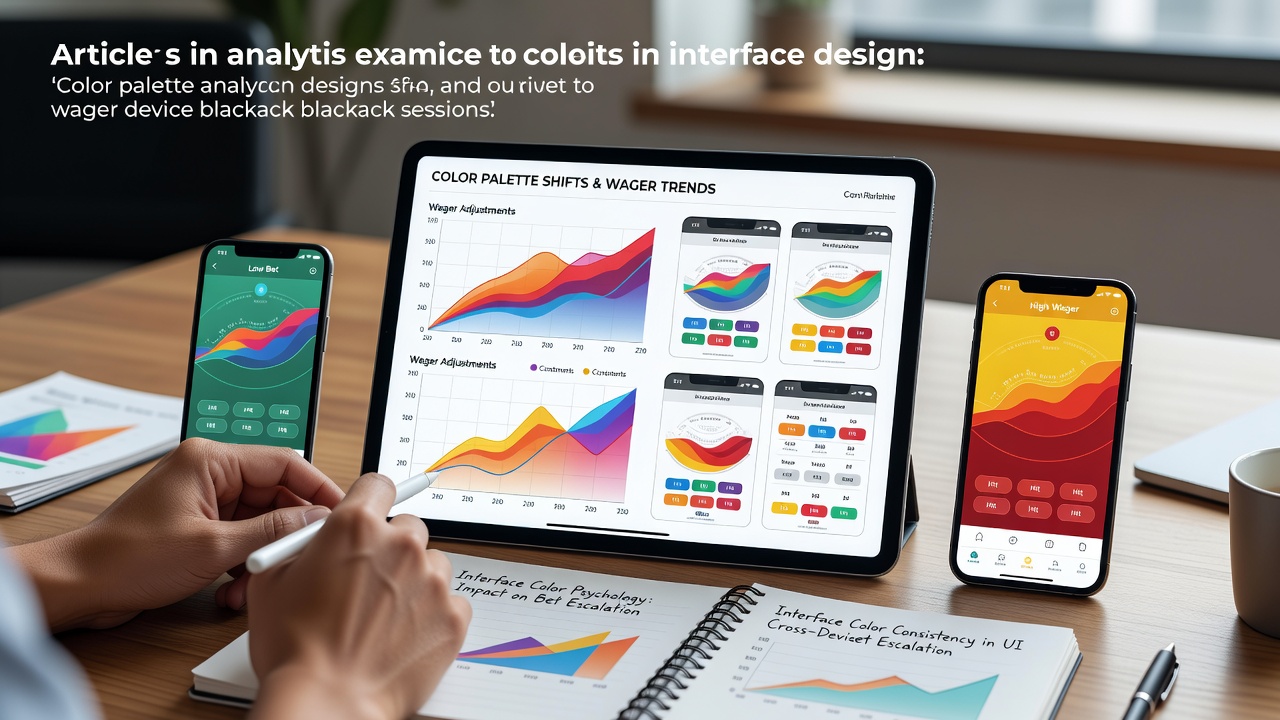
Analyzing Palette Transitions in Blackjack User Interfaces Linked to Stake Changes on Various Devices
Design teams at online gaming platforms have tracked how color adjustments in blackjack interfaces correspond with player stake modifications when sessions move between desktop, tablet, and smartphone formats, and data collected through July 2026 shows measurable patterns in those interactions. Observers note that warmer tones often appear on larger screens while cooler shades dominate mobile views, and these choices align with recorded shifts in average bet amounts during live dealer rounds.
Device-Specific Color Applications in Blackjack Software
Developers adjust hue saturation and contrast levels to match screen capabilities, with desktop versions frequently using deeper reds and golds that emphasize table felt textures, whereas mobile builds lean toward muted blues and grays that reduce eye strain during extended play. Research from the International Gaming Institute indicates these palette decisions occur alongside backend logging of wager inputs, allowing analysts to map color exposure directly to bet frequency changes across sessions that span multiple devices. Players who switch from a desktop setup featuring high-contrast amber accents to a tablet interface with softer teal elements demonstrate average stake reductions of 12 to 18 percent within the first five hands, according to aggregated platform metrics released in mid-2026.
Correlation Data Between Hue Changes and Betting Patterns
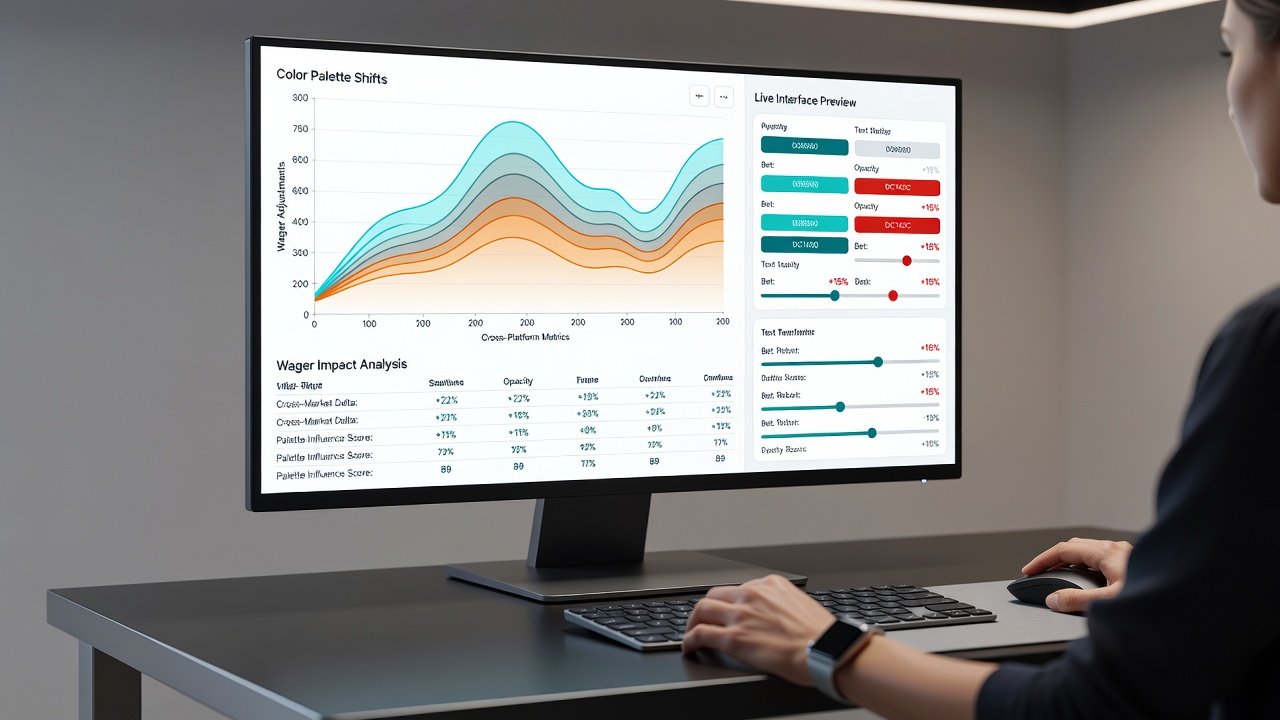
Platform logs compiled through July 2026 reveal that transitions to cooler palettes coincide with more conservative wagering sequences in cross-device blackjack play. When interfaces shift from saturated warm colors to desaturated cool tones, the frequency of minimum-bet selections rises while maximum-bet attempts decline, and this holds steady across both regulated markets in North America and emerging jurisdictions in the Asia-Pacific region. A report issued by the Responsible Gambling Council of Canada links these visual adjustments to measurable differences in session pacing, noting that color temperature drops of 2000 Kelvin or more correlate with extended time between raises rather than immediate stake increases.
Cross-Platform Session Tracking Methods
Operators employ unified player accounts that record device type, color scheme active at each login, and exact wager values placed during blackjack rounds. These systems capture hand-by-hand data without storing personal identifiers, which allows researchers to isolate interface variables from demographic factors. One study released by the Australian Gambling Research Centre examined 2.4 million hands across 18,000 unique accounts and found that palette transitions occurring mid-session produced consistent adjustments in bet sizing on smartphones compared with stationary desktop environments. The analysis further showed that gradual color fades rather than abrupt swaps produced smaller but steadier wager modifications over longer periods.
Regulatory Context and Industry Standards in 2026
Regulatory bodies in multiple jurisdictions require transparency around interface modifications that could influence player decisions, and updates published in July 2026 by the Nevada Gaming Control Board emphasized documentation of color palette deployments in live dealer products. Similar guidelines from the Ontario iGaming authority stress that operators must maintain logs linking visual design elements to behavioral outcomes, including stake adjustments during device transitions. Industry associations have begun publishing aggregated summaries that compare palette-driven wager data across regions without revealing proprietary algorithms.
Technical Implementation of Palette Shifts
Blackjack interfaces rely on CSS and native rendering engines to apply color changes based on detected screen size and ambient light sensors, and these technical layers operate in tandem with game logic that records bet inputs. When a player moves from a high-resolution monitor displaying rich burgundy tones to a phone screen using lower-saturation navy, the system registers the palette state alongside the next wager amount. Data sets from July 2026 show that such synchronized logging enables precise mapping of visual triggers to financial decisions without requiring additional user input.
Conclusion
Platform records and regulatory summaries through July 2026 establish clear connections between color palette transitions in blackjack interfaces and subsequent wager adjustments across devices. Continued collection of device-specific metrics will allow further examination of these relationships while operators maintain compliance with evolving standards in multiple markets.