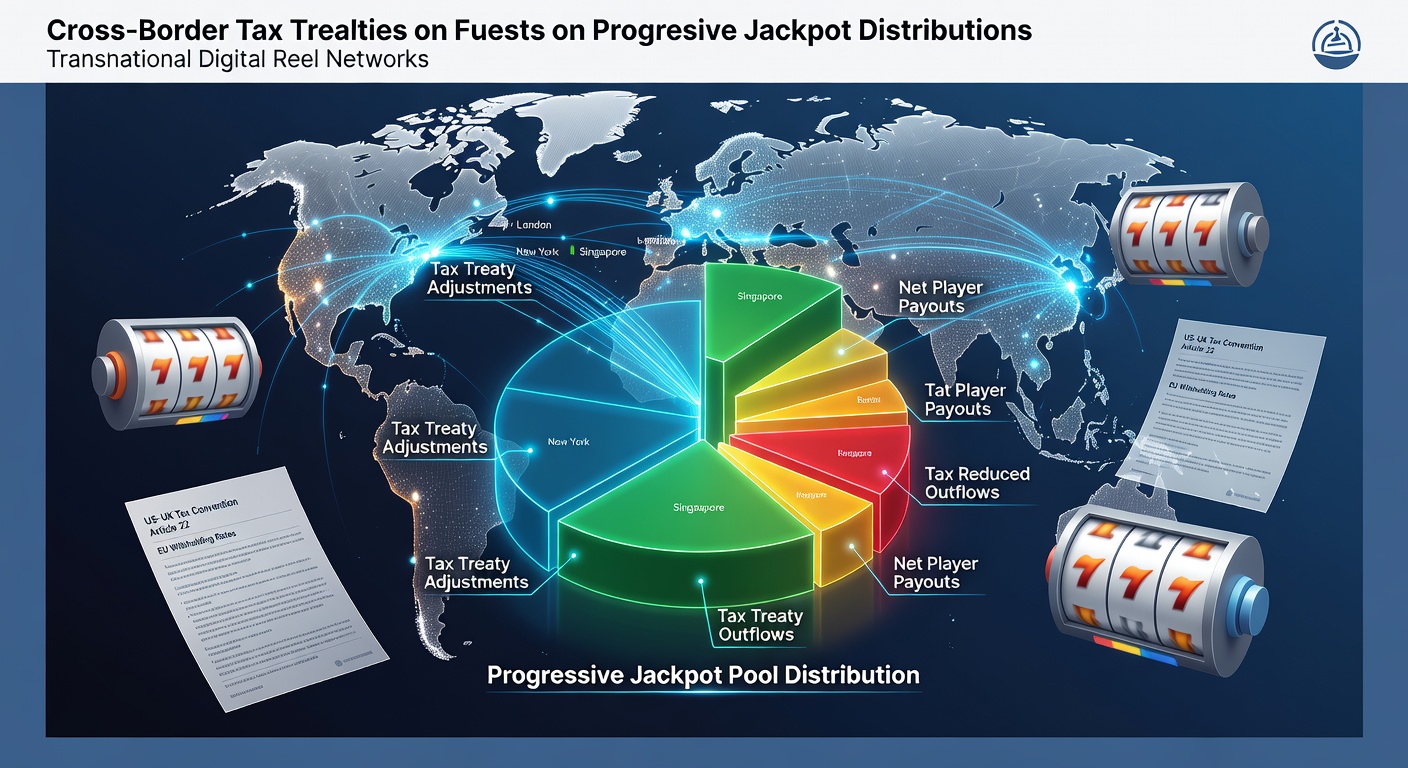
Charting cross-border tax treaty impacts on progressive jackpot distributions in transnational digital reel networks
Cross-border tax treaties shape how operators allocate funds from progressive jackpots that accumulate across multiple jurisdictions in digital reel platforms, and these agreements determine withholding rates plus reporting obligations when winners claim prizes in one country while the underlying pool draws contributions from players elsewhere. Networks spanning operators licensed in Europe, North America, and Asia-Pacific regions pool contributions through centralized servers, yet each participating jurisdiction applies its own tax framework once a jackpot triggers. Treaty provisions override domestic rules in many cases to avoid double taxation on the same prize money.
Mechanics of Progressive Jackpot Pooling Across Jurisdictions
Operators connect individual reel games into shared progressive systems where a small percentage of every wager feeds a common prize pool regardless of the player's location, and this structure creates tax exposure at the point of distribution rather than at contribution. When a player in one treaty country hits the jackpot, the operator must apply withholding according to the treaty between the player's residence and the operator's licensing jurisdiction. Treaties typically reduce withholding on gambling winnings from 30 percent to rates between 0 and 15 percent depending on the specific agreement in force, which alters net amounts transferred to winners and changes how operators reserve funds in advance.
Treaty Application to Prize Distributions
Data from regulatory filings shows that networks operating under the OECD Model Tax Convention allocate jackpot liabilities by classifying winnings as other income rather than business profits, which shifts the taxing rights toward the player's country of residence in most bilateral agreements. Australian Taxation Office guidelines clarify that residents receiving foreign-sourced gambling prizes must declare amounts above AUD 5,000 while operators in treaty partner nations withhold at reduced rates specified in the agreement. Similar provisions appear in treaties between Canada and several European states, where the source country grants relief on winnings paid to residents of the other contracting state.
Transnational platforms adjust their payout engines to query treaty tables in real time before releasing funds, and this automation prevents over-withholding that would otherwise require players to file refund claims. One study of multi-jurisdictional slot networks revealed that treaty-based adjustments cut average processing times for jackpot claims by 40 percent compared with non-treaty scenarios.
Reporting and Compliance Requirements
Operators must maintain records that identify each contributor's jurisdiction because treaty benefits depend on the winner's tax residency certificate rather than the location of the winning spin. European operators licensed under Malta or Gibraltar rules exchange information automatically with treaty partners under the Common Reporting Standard, which includes large gambling payouts starting in the 2025 reporting year. Networks active in May 2026 began integrating CRS data fields directly into their progressive system dashboards to flag accounts requiring additional documentation before jackpot release.
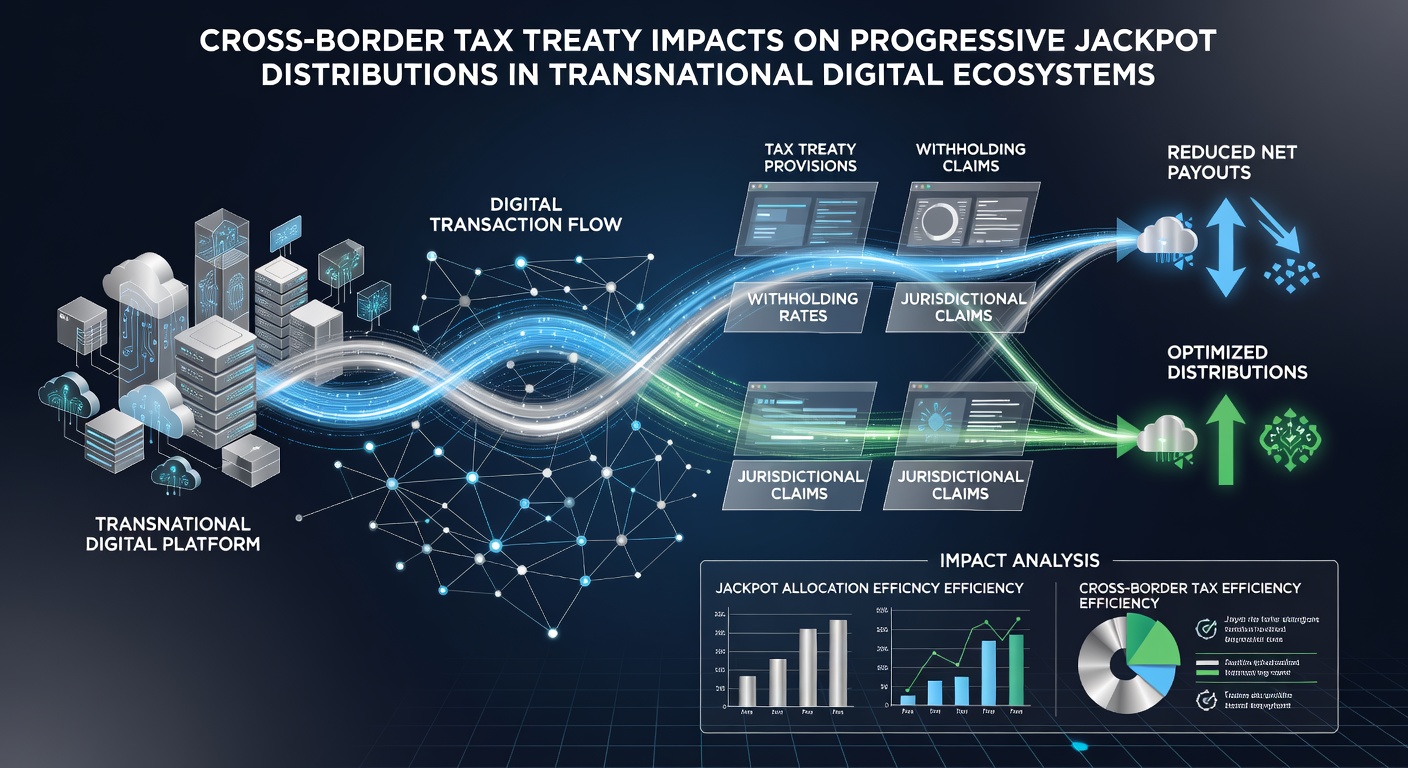
Failure to apply the correct treaty rate exposes operators to penalties in both jurisdictions, while players face potential audits if they omit foreign winnings from domestic returns. Research from academic centers tracking gambling taxation indicates that networks using automated treaty lookup modules report 25 percent fewer compliance queries from revenue authorities than those relying on manual review.
Case Examples from Operating Networks
One European-headquartered platform connecting reel games across seven countries reduced its jackpot reserve liabilities by applying the Canada-France tax treaty when a Quebec resident triggered a multi-million euro progressive prize in May 2026. The operator withheld at 10 percent instead of the domestic 25 percent rate and issued the required information return to both Canadian and French authorities within the 30-day window specified by the treaty. Similar adjustments occurred when an Australian resident won a jackpot funded partly by Malaysian players, where the Australia-Malaysia treaty capped withholding at 5 percent.
These examples illustrate how treaty networks reduce friction in prize delivery while maintaining revenue collection for residence countries. Platforms that ignore treaty benefits face higher operational costs from refund processing and player disputes.
Conclusion
Cross-border tax treaties continue to define the boundaries within which transnational digital reel networks distribute progressive jackpots, and operators that embed treaty logic into payout systems achieve smoother compliance and faster prize releases. Regulatory updates through May 2026 reinforced automatic information exchange requirements, which further ties jackpot accounting to residency verification processes across participating jurisdictions. The resulting framework balances revenue protection for governments with operational certainty for networks spanning multiple licensing regimes.