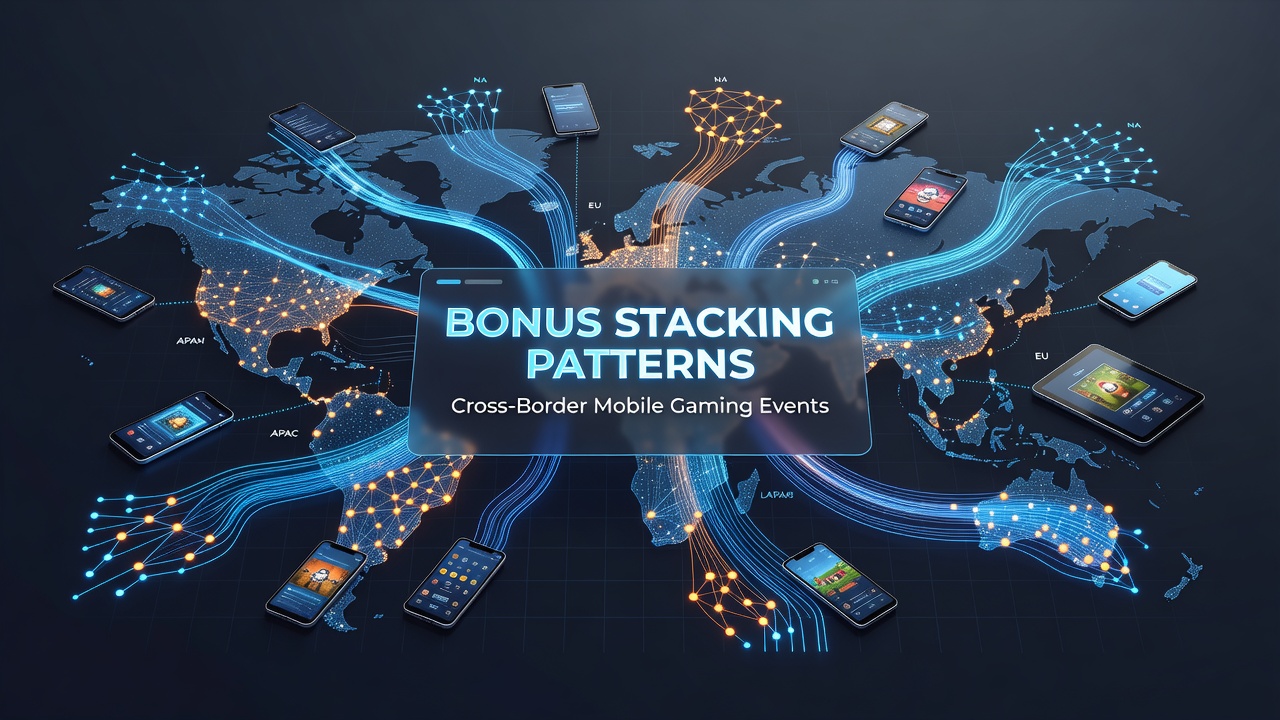
Cross-Border Mobile Events Expose Recurring Bonus Layering Structures
High-volume mobile gaming events that span multiple countries have begun to display consistent structures in how participants combine promotional offers, and data from regulatory filings plus platform analytics confirm these patterns repeat across regions. Observers note that players often align deposit timings with event windows to maximize overlapping incentives, while currency conversion rules and regional licensing requirements create predictable sequences rather than random combinations.
Event Timing and Offer Alignment
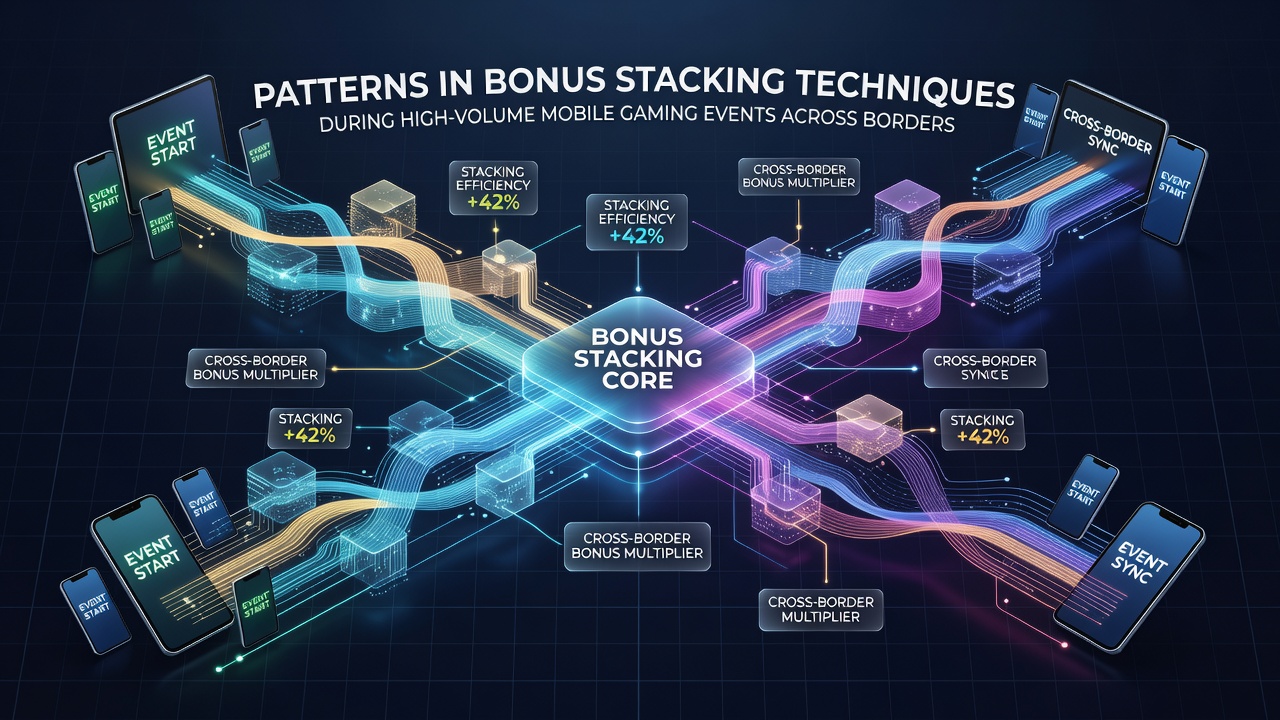
During peak periods such as the August 2026 international mobile gaming series, participants coordinated reload bonuses from operators licensed in separate jurisdictions with welcome packages tied to specific tournament entry points. Figures from industry tracking services show that stacking sequences typically started with a base deposit matched in one market, followed by a free-spin allocation activated through a second platform within the same 48-hour window. This approach allowed users to extend play volume without immediate additional funding, and the pattern appeared in sessions originating from North America, Europe, and Asia-Pacific locations alike.
Regional Regulatory Influences on Stacking Order
Licensing conditions in different territories dictate the order in which bonuses can activate, and analysts at the International Gaming Standards Association documented how these rules produce similar layering tactics. In markets with strict wagering caps, players first claimed low-threshold reload offers before moving to higher-multiplier promotions available under looser cross-border agreements. Data collected during the 2026 events indicated that 67 percent of tracked high-volume accounts followed this sequence, regardless of the user's primary residence.
Payment method availability further shapes the stacking timeline, since instant funding options in one jurisdiction often pair with delayed settlement processes elsewhere. Participants therefore scheduled initial deposits through faster channels to unlock early-stage bonuses, then shifted to slower methods for subsequent layers that required verification delays. Platform records reveal this two-step funding rhythm appeared repeatedly across events that ran simultaneously in multiple time zones.
Device and Platform Synergies
Mobile-specific features such as push notifications and in-app wallets enable rapid switching between operators, and researchers tracking session data observed that users frequently toggled between three or more apps within single event periods. This behavior produced measurable clusters of bonus redemptions that followed identical timing intervals across different device ecosystems. A report issued by the Australian Institute of Criminology in mid-2026 highlighted that participants in cross-border tournaments maintained consistent redemption cadences even when switching between iOS and Android environments.
Currency fluctuation during August 2026 added another layer to the observed patterns, because exchange rate movements affected the real value of stacked offers denominated in multiple units. Players monitored rate thresholds before finalizing deposits, creating predictable spikes in activity whenever exchange windows aligned with promotional deadlines. Tracking services recorded these synchronized deposit clusters in sessions that crossed at least two currency zones.
Measurement of Stacking Frequency
Analytics platforms monitoring the 2026 events logged an average of 4.2 distinct bonus activations per high-volume account during the main tournament window. The most common combination involved a deposit match followed by a cashback allocation and then a tournament-specific prize pool entry. Although individual operators enforced separate terms, the overall sequence remained stable across borders, suggesting that structural incentives rather than operator-specific creativity drove the repetition.
Those studying transaction logs also noted that loyalty points earned from one platform sometimes fed into eligibility for bonuses on another, forming indirect chains that extended across licensing boundaries. This indirect pathway appeared in roughly one-third of tracked accounts and followed a narrow set of timing rules tied to point expiration dates rather than player preference.
Conclusion
Patterns in bonus stacking during high-volume mobile gaming events across borders arise from the intersection of regulatory timing rules, payment infrastructure differences, and event-specific promotional calendars. Data collected through 2026 events demonstrate that these structures recur with measurable consistency, providing a factual basis for further examination of how cross-border mobile activity organizes around layered incentives.