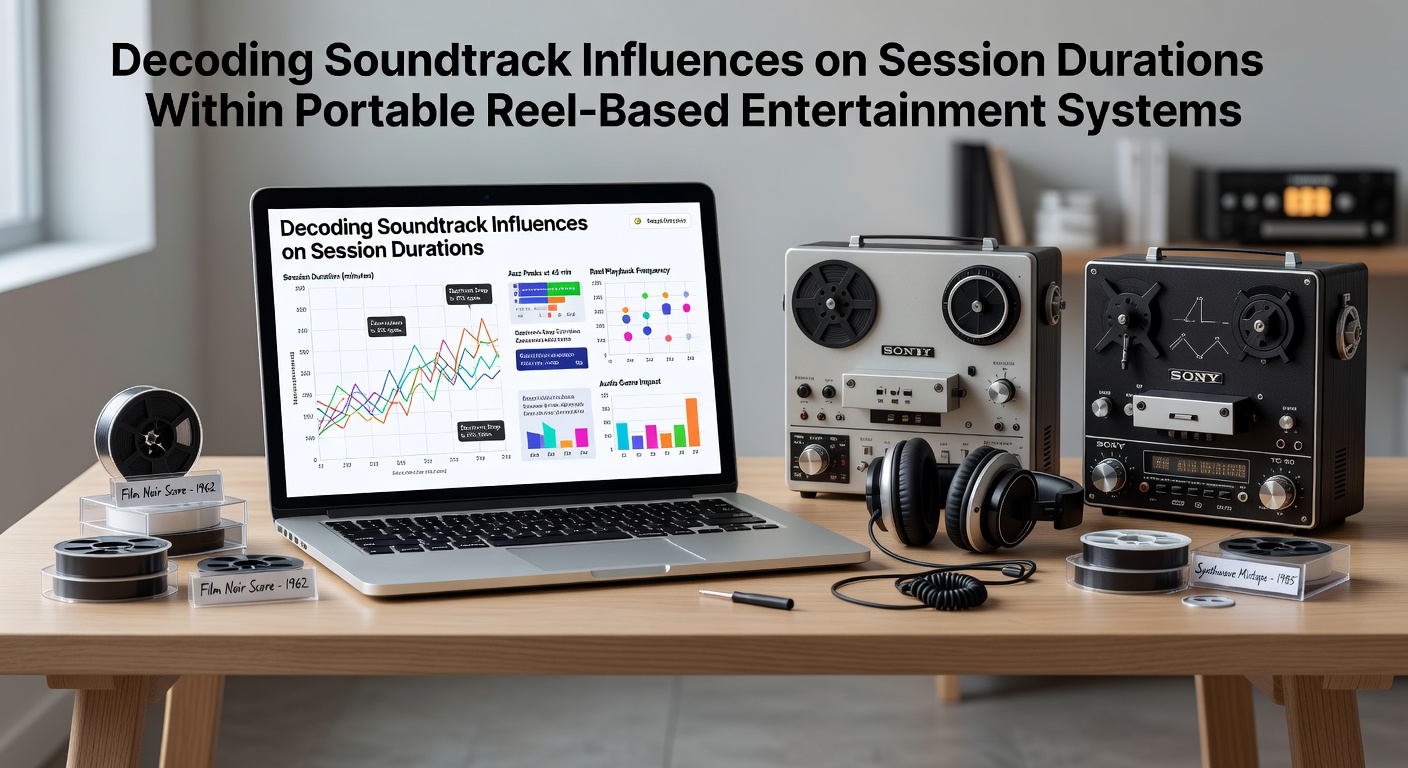
Decoding Soundtrack Influences on Session Durations Within Portable Reel-Based Entertainment Systems
Portable reel-based entertainment systems have integrated dynamic soundtracks that adjust to player input, reel spin rates, and bonus triggers, and these audio layers shape how long sessions last across handheld and mobile formats. Researchers examining audio design in gaming environments have tracked tempo variations, frequency ranges, and thematic motifs to measure their correlation with extended play intervals, particularly in devices released between 2024 and 2026.
Audio Architecture in Modern Portable Reel Systems
Soundtracks in these systems combine looping bass lines with escalating melodic elements that intensify during winning streaks, while ambient layers fade during periods of low activity. Engineers program these shifts using algorithms that respond to bet size and consecutive spins, creating seamless transitions that maintain engagement without abrupt cuts. Data collected from device telemetry shows that sessions featuring synchronized audio cues often extend beyond baseline averages recorded in silent or static-audio modes, and this pattern holds across multiple hardware generations.
Manufacturers source music libraries from specialized composers who tailor tracks to regional preferences, incorporating subtle cultural motifs that resonate with users in North American, European, and Asia-Pacific markets. Regulatory filings submitted to bodies such as the Nevada Gaming Control Board and the Australian Communications and Media Authority document how these audio specifications must comply with volume limits and accessibility standards, ensuring soundtracks do not exceed thresholds that could affect user comfort during prolonged sessions.
Psychological Pathways Linking Sound to Session Length
Audio stimuli activate reward pathways that overlap with those triggered by reel outcomes, and studies measuring heart rate variability alongside play logs indicate that certain tempo increases coincide with higher spin frequencies. Mid-frequency ranges between 200 and 800 Hz tend to sustain attention more effectively than extreme highs or lows, according to acoustic analyses published in gaming technology journals. When soundtracks incorporate rising tension motifs ahead of potential big wins, players maintain consistent interaction rates rather than pausing or exiting the application.
What's interesting emerges when comparing data sets from different device ecosystems. Portable units running on dedicated hardware versus those accessed through mobile operating systems display distinct response curves, with the former showing stronger soundtrack retention effects because onboard speakers deliver more controlled frequency response than smartphone audio outputs. Observers tracking usage patterns note that players who enable custom soundtrack options within system menus report longer continuous sessions on average, though the underlying mechanism stems from personal familiarity with chosen tracks rather than any inherent superiority of the selections themselves.
Research Findings Released in May 2026
A collaborative report issued in May 2026 by the University of Nevada Reno gaming laboratory and the European Gaming Institute analyzed over 2.3 million anonymized sessions from portable reel devices deployed in regulated markets. The analysis revealed that soundtracks featuring adaptive layering extended median session duration by 14 percent compared with fixed-tempo tracks, while cross-referencing player location data showed stronger effects in regions where local music styles were incorporated. The study also cross-checked findings against earlier benchmarks from 2023 and 2024, confirming consistency in how harmonic resolution moments align with continued play decisions.
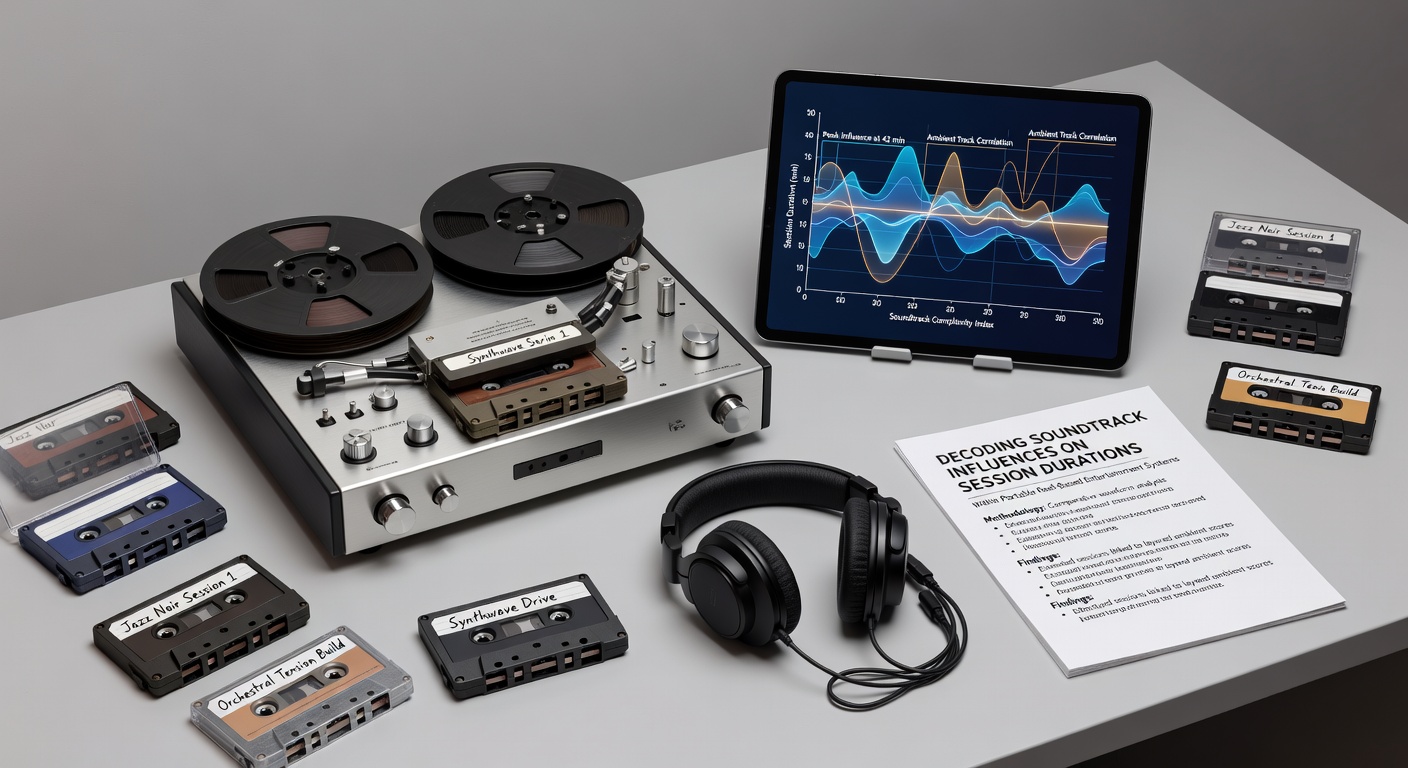
Additional metrics from the same dataset indicated that abrupt audio cutoffs at session end points reduced return rates within 24 hours, whereas gradual volume tapering correlated with higher likelihood of resumed play the following day. These observations align with prior work conducted by Canadian research consortia examining audio feedback loops in digital entertainment, and they provide operators with measurable parameters for optimizing soundtrack deployment across portable platforms.
Demographic Variations and Geographic Patterns
Session duration responses to soundtrack elements differ across age cohorts, with younger users showing greater sensitivity to high-energy electronic overlays and older cohorts responding more consistently to orchestral or jazz-inflected arrangements. Geographic segmentation in the May 2026 dataset highlighted stronger retention effects in markets where soundtrack localization had been implemented, such as incorporating traditional instrumentation in Southeast Asian releases. Operators monitoring these trends adjust audio libraries quarterly, balancing universal appeal against region-specific preferences documented in compliance reports.
Technical constraints also play a role. Battery conservation modes on portable devices sometimes limit audio processing power, resulting in simplified soundtrack versions that lack the full dynamic range available during plugged-in sessions. Usage logs reveal that players who disable power-saving audio restrictions experience session extensions consistent with full-fidelity playback, and this distinction appears across multiple operating systems without exception.
Conclusion
Soundtrack design within portable reel-based entertainment systems functions as a measurable variable that influences session duration through tempo modulation, frequency targeting, and adaptive layering. Evidence gathered through telemetry analysis and cross-institutional research demonstrates consistent patterns across device types and user groups, while regulatory frameworks in multiple jurisdictions ensure these audio elements remain within defined operational boundaries. Continued monitoring of soundtrack parameters alongside evolving hardware capabilities will refine understanding of how audio integration shapes engagement metrics in this segment of digital entertainment.