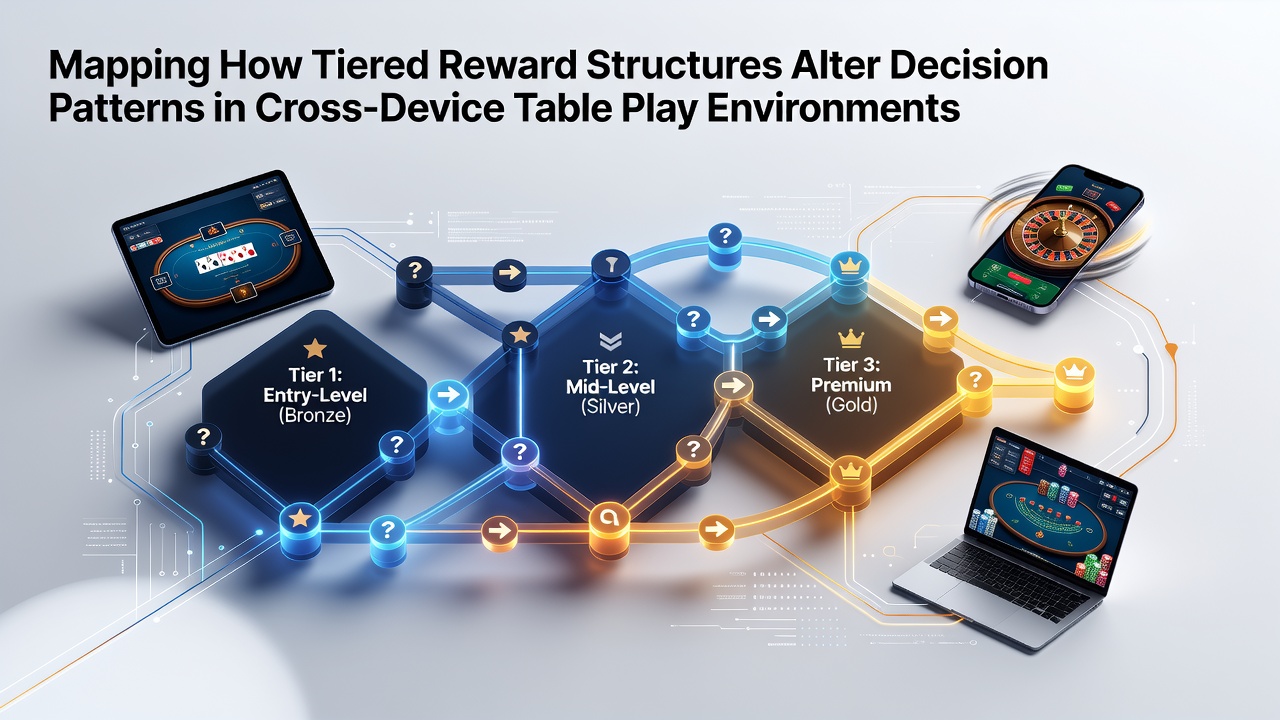
Investigating the Influence of Tiered Reward Systems on Player Strategies in Cross-Platform Table Game Environments
Tiered reward systems in online table gaming environments operate through structured progression levels that grant escalating benefits as participants accumulate activity metrics, and these frameworks directly modify how individuals approach betting choices during sessions on mobile phones, tablets, and desktop computers. Data compiled from platform analytics shows participants at higher tiers often extend session lengths while adjusting wager sizes based on accumulated points toward the next level, whereas entry-level users tend to focus on immediate outcomes without long-term accumulation considerations.
Core Mechanisms of Tiered Rewards
Operators define tiers through point thresholds tied to table game wagers, with each level unlocking perks such as reduced house edges on specific games, complimentary spins on side bets, or priority access to high-limit rooms. Research conducted by the University of Nevada's International Gaming Institute indicates that users who reach mid-tier status increase average bet amounts by 18 percent compared to baseline figures, since the perceived value of ongoing rewards encourages sustained engagement across devices. These structures incorporate daily, weekly, and monthly milestones that reset at varying intervals, creating decision points where players weigh short-term risk against potential tier advancement.
Cross-device tracking ensures consistent point accrual whether a session occurs on a smartphone during commute hours or on a desktop setup at home, and this continuity shapes patterns where users synchronize device switches to optimize bonus triggers. Observers note that mobile interfaces frequently display simplified tier progress bars during live dealer blackjack rounds, prompting quicker decisions on insurance bets or double-downs to maintain momentum toward higher status.
Alterations in Decision Patterns
Players in lower tiers commonly select conservative strategies such as minimum bets on roulette wheels or basic strategy adherence in blackjack to preserve bankrolls for extended play, while those nearing tier thresholds demonstrate elevated risk tolerance through increased side bet frequency. Figures from the New Jersey Division of Gaming Enforcement reveal that cross-device sessions involving tier progression correlate with a 22 percent rise in multi-hand decisions per hour on mobile platforms during peak evening windows. This shift occurs because reward multipliers activate upon hitting new levels, altering the expected value calculations users apply in real time.
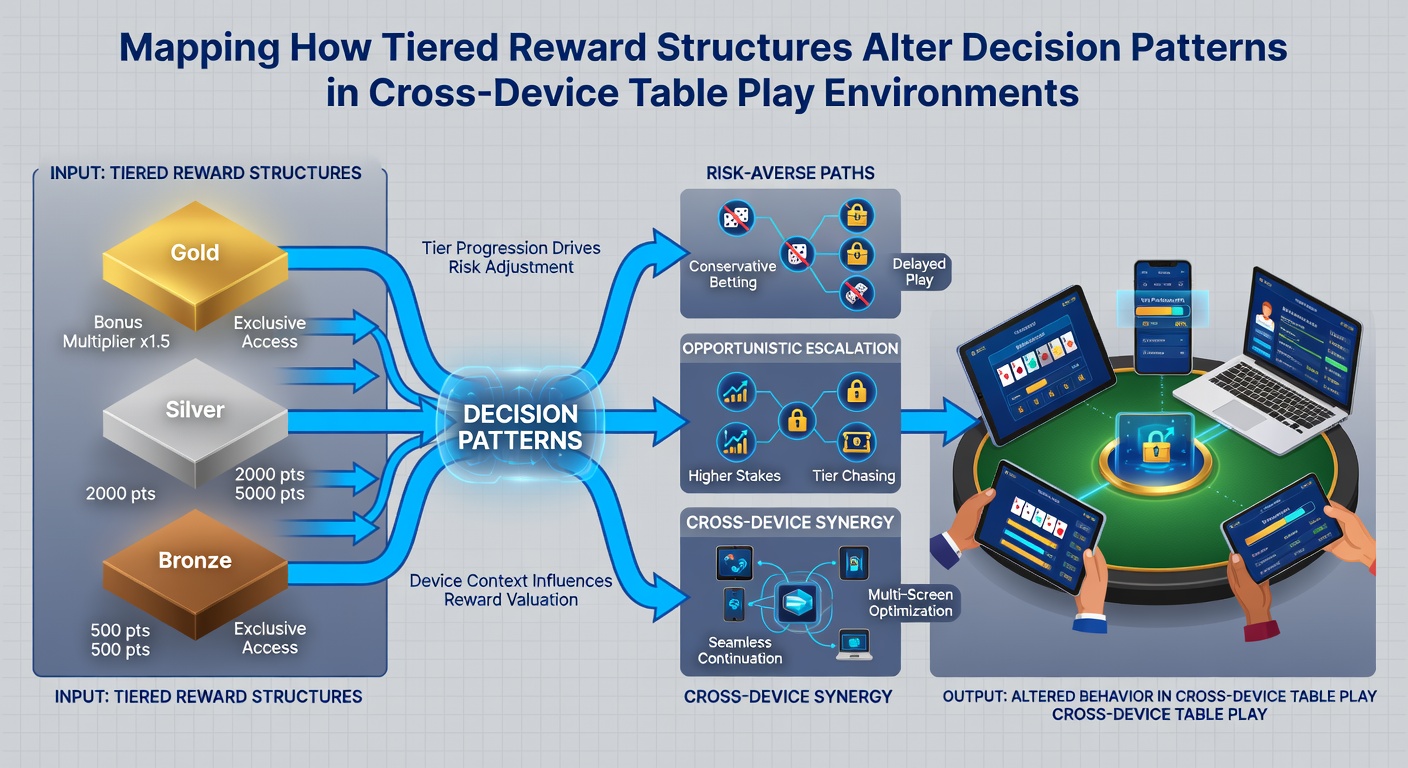
Desktop environments allow for more detailed review of tier benefit breakdowns before committing to table selections, leading to deliberate choices like switching from European to American roulette variants when cashback percentages improve at certain milestones. Mobile users, by contrast, exhibit faster adaptation to streak-based incentives, such as consecutive win multipliers that stack with existing tier perks, resulting in accelerated bet sizing during live dealer sequences.
Cross-Device Dynamics and 2026 Trends
Platform data collected through June 2026 demonstrates that synchronized tier tracking across devices reduces abandonment rates during transitions, as users maintain progress visibility on all screens. The Australian Institute of Family Studies gaming research division documented that participants utilizing both mobile and desktop access within the same week reached higher tiers 31 percent more often than single-device users, with corresponding changes in table selection favoring games that offer tier-specific jackpots. Regulatory updates in several jurisdictions have required clearer disclosure of how tier benefits calculate across platforms, ensuring decision patterns reflect accurate information rather than interface limitations.
One study released in early 2026 examined European operators and found tiered structures prompt users to favor table games with lower volatility when advancing through levels, since steady point accumulation supports longer-term reward goals. This pattern holds across regions where operators integrate real-time notifications that alert players to imminent tier upgrades during active sessions on any device.
Conclusion
Tiered reward systems continue to reshape strategic choices in cross-device table play by linking immediate betting actions to cumulative status gains, and available data through June 2026 confirms these influences vary by platform while maintaining consistent progression logic. Operators and researchers track these shifts to refine program designs that align with observed user behaviors across mobile and desktop environments.