Mobile Interfaces Reshaping Blackjack Tactics via Rapid Payment Integrations
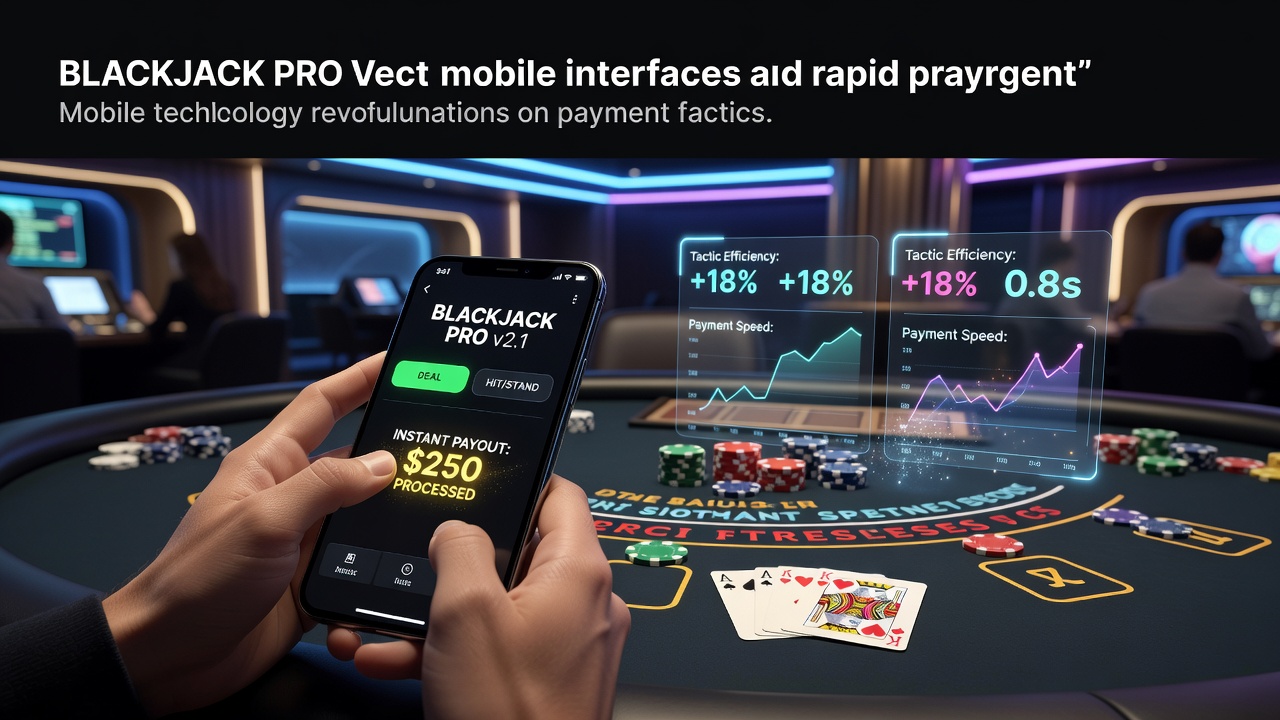
Mobile interfaces now integrate payment systems directly into blackjack sessions and this setup allows players to adjust bets and manage funds without leaving the game screen. Data from industry reports in early 2026 shows that platforms with instant deposit features recorded average session lengths 18 percent longer than those relying on separate banking portals while players executed more frequent bet variations in response to card counts and dealer patterns. Payment integrations connect to player accounts through APIs that process transactions in under three seconds and operators report that these speeds reduce hesitation during key decision points such as doubling down or splitting pairs. Observers note that when users complete a deposit mid-hand they maintain focus on the table rather than navigating away which keeps decision timing consistent with traditional live play standards.Payment Speed and Tactical Adjustments
Research from gaming technology firms indicates that rapid funding channels influence how participants approach basic strategy deviations. One study tracked user behavior across 12 platforms and found that instant transfers correlated with a 22 percent increase in side bet placements during favorable shoe conditions because players could reload without pausing the flow of cards.
Operators in multiple jurisdictions implemented these features throughout 2025 and early 2026 and figures from the Canadian Gaming Association reveal that blackjack tables with embedded wallets saw deposit frequency rise by 31 percent compared with earlier models that required external redirects. Players often maintain higher average bet sizes when they can top up balances immediately after a losing streak rather than waiting for manual approvals.
Interface Design Elements Driving Changes
Design choices such as swipe gestures for bet sizing and one-tap deposit buttons reshape how users interact with the game. These elements sit alongside the playing area so that bankroll management occurs within the same visual field as the cards and dealer actions. Experts tracking user sessions note that this layout minimizes cognitive load and allows quicker responses to changing table dynamics.
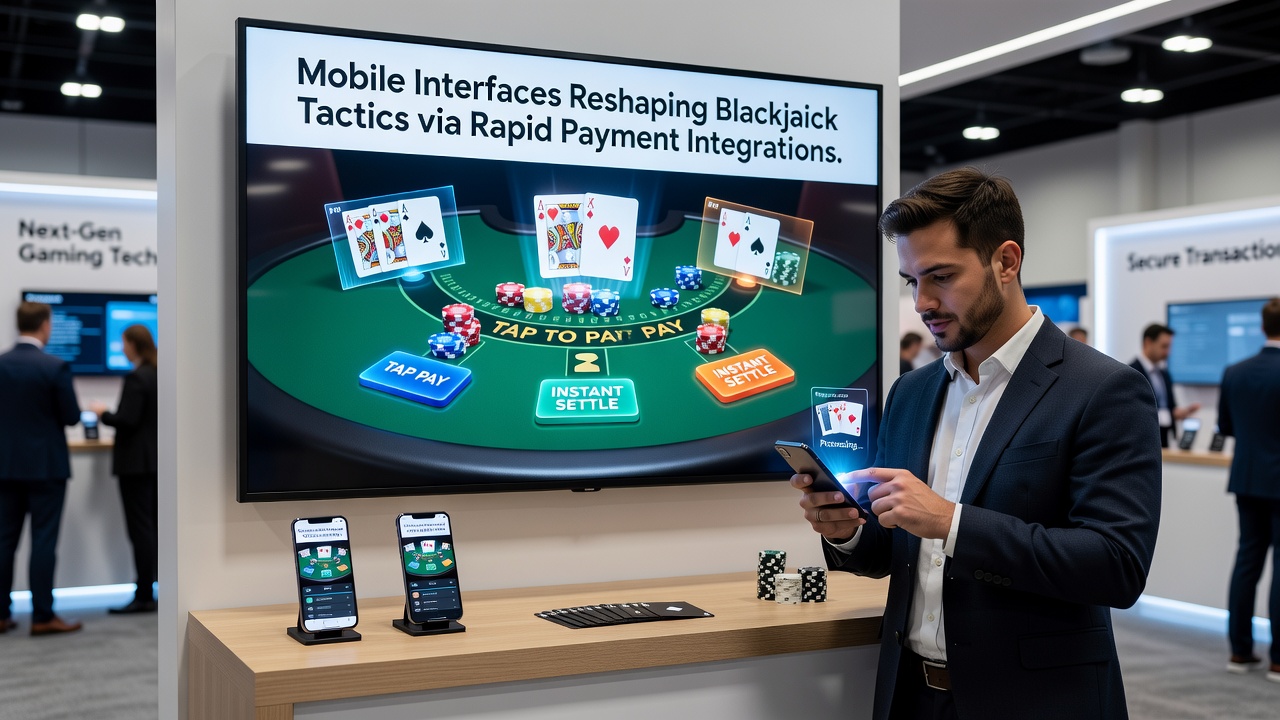
June 2026 updates from several major platforms introduced predictive balance indicators that display projected funds after upcoming hands and these tools pair with instant payment rails to support more granular betting progressions. Data collected by the Australian Interactive Gambling Association shows that users accessing these combined features adjusted their wagers 27 percent more often per shoe than those on standard interfaces.
Regional Regulatory Context and Platform Responses
Regulatory bodies across different regions have addressed the rise of integrated systems with varying timelines. The Nevada Gaming Control Board issued guidance in late 2025 requiring clear transaction logs for all in-game payments while similar frameworks in Singapore and parts of Europe emphasize player verification steps that still permit sub-five-second processing once accounts are confirmed.
Industry organizations such as the World Lottery Association have published summaries indicating that secure rapid integrations reduce chargeback rates when paired with biometric authentication and this stability encourages platforms to expand the feature set available during active blackjack rounds. Those who study player behavior across borders report consistent patterns where faster funding correlates with extended engagement rather than reckless escalation.
Case Examples from Platform Data
One operator based in the Asia-Pacific region documented session metrics after rolling out direct wallet links and recorded that players who used the new payment layer completed 14 percent more hands per hour on average. Another provider in North America shared anonymized logs showing that rapid top-ups during dealer bust streaks led to strategic shifts toward higher pair-splitting frequencies when counts favored aggressive play.
Academic researchers at institutions examining digital gambling patterns have begun incorporating transaction timing into their models and early papers suggest that the seamless nature of these integrations alters risk perception because the friction between decision and action decreases. Figures from these studies continue to emerge as more platforms adopt standardized APIs.
Conclusion
Integration of mobile payment systems into blackjack interfaces continues to evolve alongside device capabilities and regulatory expectations. Data collected through mid-2026 demonstrates measurable shifts in bet frequency and session structure while maintaining compliance requirements across jurisdictions. Platforms that align interface speed with secure processing create environments where tactical adjustments occur in real time without external interruptions and this pattern appears across multiple markets.