Payment Method Timelines Shape Mobile Roulette Session Strategies
Payment processing speeds determine how players structure their time at mobile roulette tables, since deposit delays can shorten available play windows while withdrawal timelines dictate when funds become available for subsequent sessions. Observers note that e-wallets often complete transfers in seconds, allowing immediate entry into live dealer games, whereas traditional bank wires stretch across multiple business days and force users to adjust their overall schedules accordingly.
Common Payment Options and Processing Durations
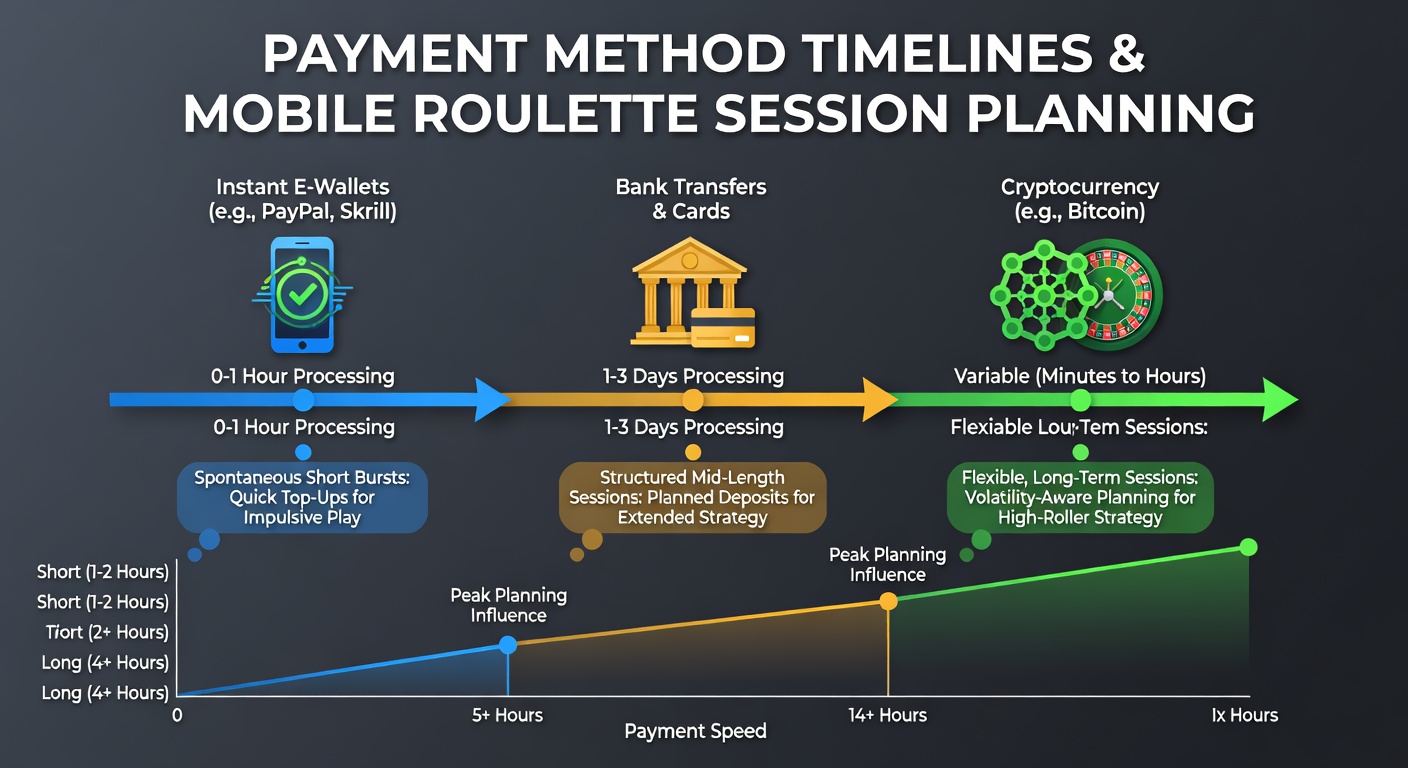
Digital wallets such as PayPal and Skrill deliver deposits within minutes during most hours, which lets players launch roulette sessions without interruption and maintain momentum through extended betting sequences. Credit and debit card transactions typically authorize in under an hour yet sometimes require additional verification steps that push completion into the next business day, creating brief pauses that affect spontaneous session starts. Bank transfers remain the slowest route, often taking two to five days, so participants who rely on them tend to plan longer intervals between cash-ins and factor those lags into their monthly gambling calendars. Cryptocurrency networks like Bitcoin and Ethereum offer near-instant deposits once confirmations clear, though network congestion during peak periods in May 2026 has occasionally extended those windows to thirty minutes or more according to transaction data tracked by industry monitors.
How Timelines Influence Session Length and Bankroll Management
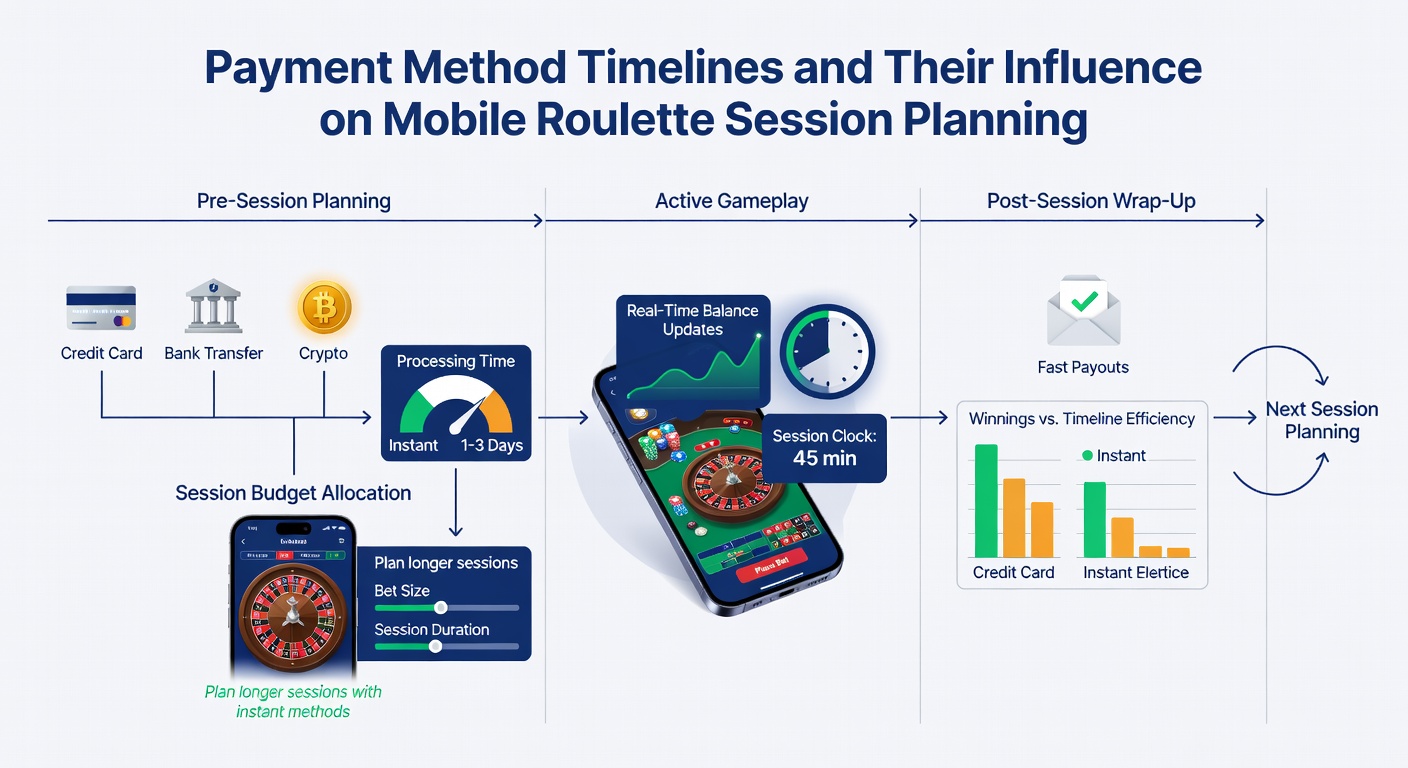
Quick deposit options encourage shorter, more frequent mobile roulette sessions because funds arrive fast enough for players to top up balances mid-play without leaving the app. Slower methods push users toward consolidated longer sessions that maximize table time once money finally lands, since repeated delays would otherwise fragment the experience. Research indicates that withdrawal speeds further complicate planning, as methods promising same-day payouts allow winners to reinvest promptly while those requiring forty-eight-hour reviews keep capital locked until the next planned activity window opens. Data from European payment processors shows that players using instant-withdrawal e-wallets schedule follow-up sessions within twenty-four hours of cashing out, whereas bank-transfer users commonly wait three to seven days before returning, aligning their roulette activity with predictable fund availability cycles.
Regional Regulatory Factors Affecting Speed in 2026
Regulatory updates across multiple jurisdictions continue to shape available timelines, with the Malta Gaming Authority requiring licensed operators to disclose exact processing windows for each method in player terms. Canadian provincial frameworks similarly mandate clear timelines for both deposits and withdrawals, prompting platforms to prioritize faster options to remain competitive. In May 2026, several operators adjusted their supported networks to accommodate new instant-settlement protocols that reduce crypto confirmation waits, a shift observers link to rising mobile roulette participation rates in North American markets. Those adjustments let players maintain tighter session schedules without the previous uncertainty around fund arrival.
Strategic Adjustments Players Make Around Payment Delays
Participants who favor slower bank methods often preload accounts days ahead, creating buffer periods that protect against unexpected processing extensions during high-traffic weekends. Faster options reduce the need for such buffers, freeing users to react to table streaks or bonus offers as they appear without prior coordination. One study released by the University of Nevada Reno Gaming Research Center found correlations between deposit speed and session frequency, noting that instant-method users logged roughly 40 percent more separate mobile roulette entries per month than those relying on multi-day transfers. The same research highlighted how withdrawal timelines influence overall bankroll rotation rates, with quicker cash-out paths supporting repeated small sessions while slower ones favor single larger plays.
Platform operators respond to these patterns by highlighting timeline details during onboarding, helping new users select methods that match their preferred session rhythms. Industry reports from the European Gaming and Betting Association further document that transparent timeline communication reduces support tickets related to delayed funds, allowing smoother mobile experiences overall.
Conclusion
Payment method timelines directly govern the rhythm of mobile roulette participation by controlling when funds enter and exit player accounts. Faster options support flexible, frequent sessions while slower routes require advance scheduling and extended play blocks. As processing technologies evolve and regulators in various regions enforce clearer disclosures, the range of available timelines continues to expand, giving participants more tools to align payment speeds with their individual roulette planning needs.