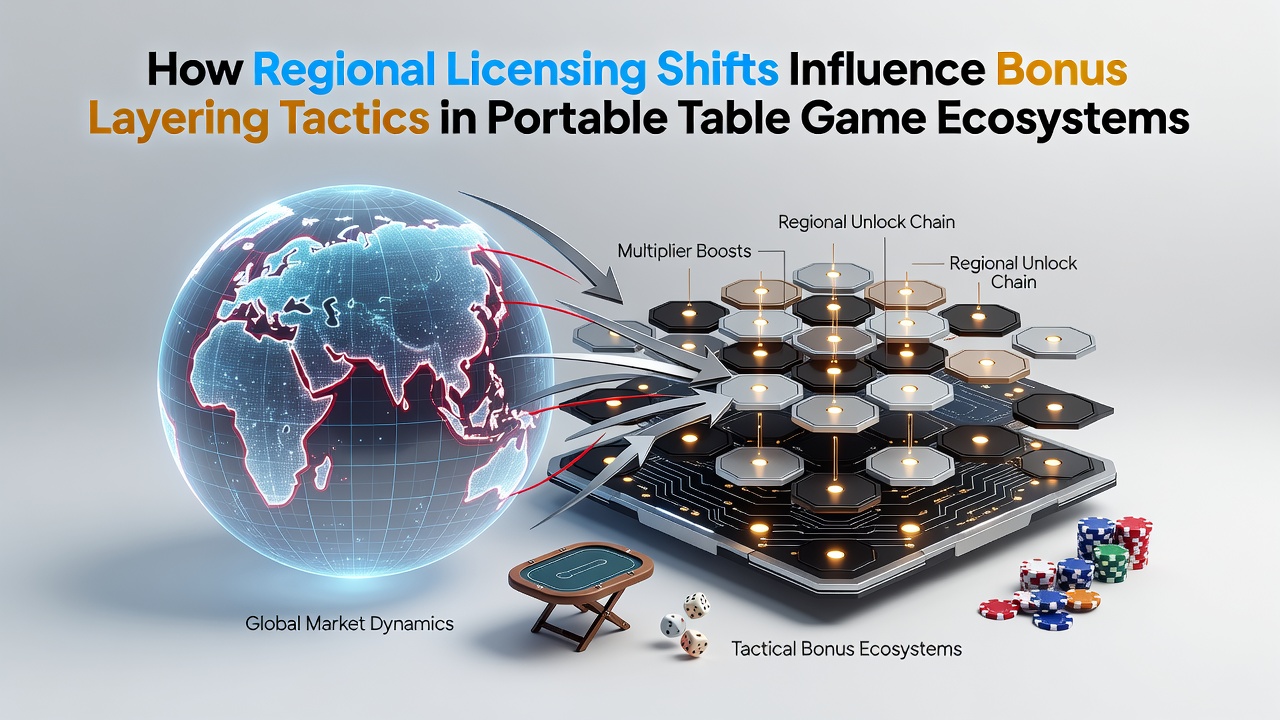
Regional Licensing Adjustments Drive New Bonus Layering Patterns Across Mobile Table Game Networks
Regional licensing adjustments continue to alter how operators construct and combine promotional offers within portable table game environments, and data from multiple jurisdictions illustrate these connections clearly. Licensing frameworks in places such as New Jersey, Ontario, and several European markets set distinct parameters around bonus structures, and those parameters directly shape the layering sequences players encounter on mobile blackjack, roulette, and baccarat platforms.
Licensing Parameters and Their Direct Effects
Regulatory bodies establish rules that determine which bonus types operators may combine, the order in which they activate, and the duration each remains available. In markets where licensing authorities require separate approvals for each promotional mechanic, operators tend to segment bonus layers into distinct phases that align with compliance checkpoints. Figures from the New Jersey Division of Gaming Enforcement show that operators adjusted bonus sequencing three times between late 2025 and July 2026 after new licensing addendums took effect.
Operators respond by creating modular bonus stacks that can be enabled or disabled based on the player's registered jurisdiction. This modular approach allows a single mobile application to present different layering sequences depending on the license that governs the session, and telemetry data collected across platforms indicate that session lengths increase when layering aligns with local rules.
Bonus Layering Mechanics in Practice
Bonus layering refers to the practice of stacking multiple promotional elements so that one activates after another completes, and regional licenses influence both the stacking order and the eligibility conditions. In jurisdictions that cap the total bonus value per session, operators often place smaller, immediate-match bonuses first, followed by extended play credits that unlock only after initial wagering thresholds are met. Research reports from the Ontario Lottery and Gaming Corporation document a 14 percent rise in layered table game promotions during the first half of 2026, coinciding with updated licensing guidance on promotional accounting.
Portable environments add another layer of complexity because device-level data and geolocation signals interact with licensing restrictions. When a player crosses regional boundaries, the active license changes and the available bonus sequence updates automatically. Observers note that this automatic adjustment reduces player friction while maintaining compliance, and industry reports indicate that operators using dynamic layering report higher retention rates than those relying on static offers.
Cross-Platform Interactions and Data Patterns
Cross-platform table game ecosystems rely on centralized player accounts that carry bonus status across devices, yet licensing rules in each region govern which status elements remain visible. Data from platform analytics firms reveal that bonus carry-over success rates vary by as much as 22 percent depending on the originating license jurisdiction. Those variations prompt operators to design fallback layering sequences that activate when primary offers become unavailable due to regulatory shifts.
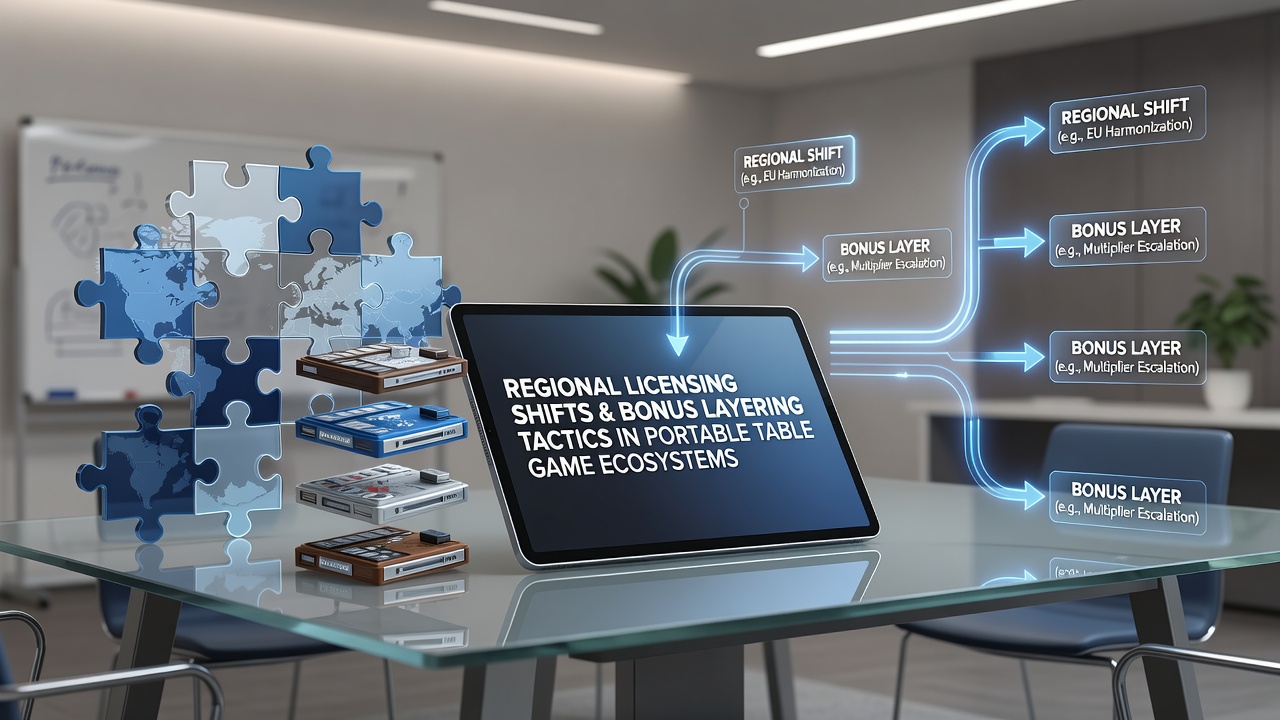
One documented case involves an operator that introduced a three-tier bonus sequence for mobile roulette in markets under revised licensing terms issued in early 2026. The first tier applied an instant deposit match, the second released free hands after a set number of wagers, and the third extended play time through reduced house edge periods. Licensing conditions required each tier to carry separate audit trails, which led developers to embed jurisdiction-specific flags within the bonus engine.
Recent Developments Through July 2026
During July 2026 several licensing authorities released updated guidance that further refined how operators may present combined offers in mobile environments. These updates emphasized transparent disclosure of layering order and required real-time notifications when a bonus sequence changes due to regional license transitions. Platform providers responded by releasing updated software development kits that automatically reorder bonus layers based on the active license identifier.
Industry associations tracking these changes report that operators now allocate additional development resources toward compliance modules rather than creative bonus design. The shift reallocates engineering time toward systems that verify each layer against current licensing conditions before presentation, and this verification step occurs within milliseconds of session initiation.
Conclusion
Regional licensing shifts continue to determine the structure and sequence of bonus layers available in portable table game ecosystems, and the patterns observed through July 2026 demonstrate consistent adaptation by operators. Licensing parameters dictate stacking order, eligibility timing, and cross-device continuity, while platform telemetry shows measurable effects on session behavior. As licensing frameworks evolve, the technical systems that manage bonus layering will keep pace through modular design and automated compliance checks.