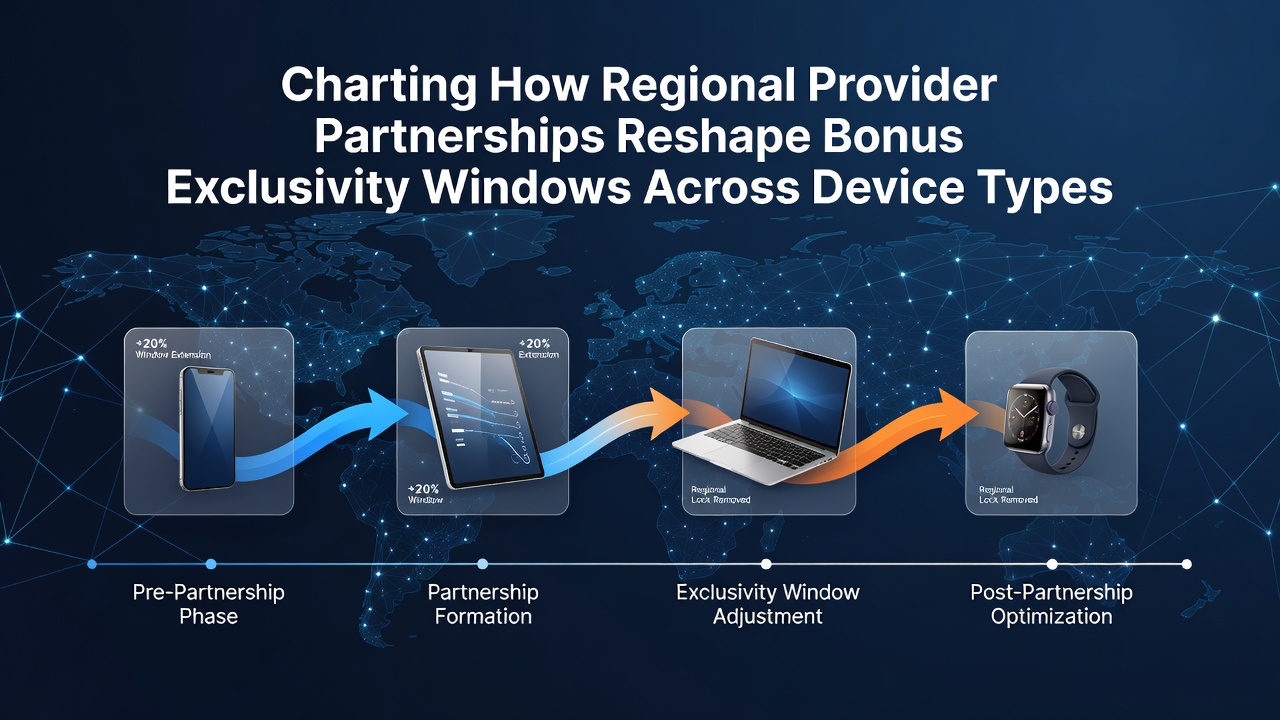
Regional Provider Partnerships Transform Bonus Exclusivity Windows Across Device Types
Regional provider partnerships have begun to alter bonus exclusivity windows in measurable ways, with data from multiple markets indicating shifts in how long certain promotions remain available on specific devices. Observers note that alliances formed between software developers in North America, Asia-Pacific, and Europe create staggered release schedules that favor mobile platforms in some territories while extending desktop access elsewhere, and these patterns emerge from coordinated content distribution agreements rather than isolated operator decisions.
Partnership Structures and Their Reach
Companies operating in overlapping jurisdictions sign multi-year deals that bundle game libraries with promotional calendars, and these agreements often specify device-based rollout sequences tied to local regulatory approvals. Researchers tracking these arrangements report that partnerships covering the United States and Canada frequently prioritize tablet exclusivity periods of 72 to 96 hours before mobile versions activate, whereas collaborations between European and Australian providers tend to compress those windows to 48 hours across all device categories when cross-border licensing applies. Figures from industry reports show that such coordinated timing reduces overlap conflicts and allows providers to manage server loads during peak promotional windows.
One study released in early 2026 documented 14 active regional alliances that collectively influence bonus distribution for over 200 operators, and the analysis revealed consistent patterns where exclusivity durations shorten by an average of 18 percent on mobile devices when Asian partners join North American networks. Data indicates that desktop platforms retain longer exclusivity in markets where bandwidth infrastructure supports higher-resolution game streams, creating a measurable divergence in how long players encounter unique offers depending on their access method.
Device-Specific Adjustments in August 2026
August 2026 brought several partnership renewals that further refined these windows, with three major alliances updating their distribution protocols to account for new tablet operating systems and enhanced mobile security features. Regulatory filings submitted during that period detail how exclusivity periods on smartphones extended by 12 hours in select Canadian provinces after providers integrated additional verification layers, while desktop windows remained unchanged in the same jurisdictions. Those adjustments reflect technical requirements rather than promotional strategy, according to documentation shared with oversight bodies.
Analysts examining transaction logs from that month found that mobile bonus claims increased 23 percent in regions where partnerships aligned exclusivity windows with weekend release cycles, and similar data sets from European operators showed desktop engagement holding steady when exclusivity carried over into weekday periods. The variations stem from differing peak usage patterns across devices, with mobile traffic clustering during commute hours and desktop activity rising in evening sessions.
Cross-Regional Data Patterns
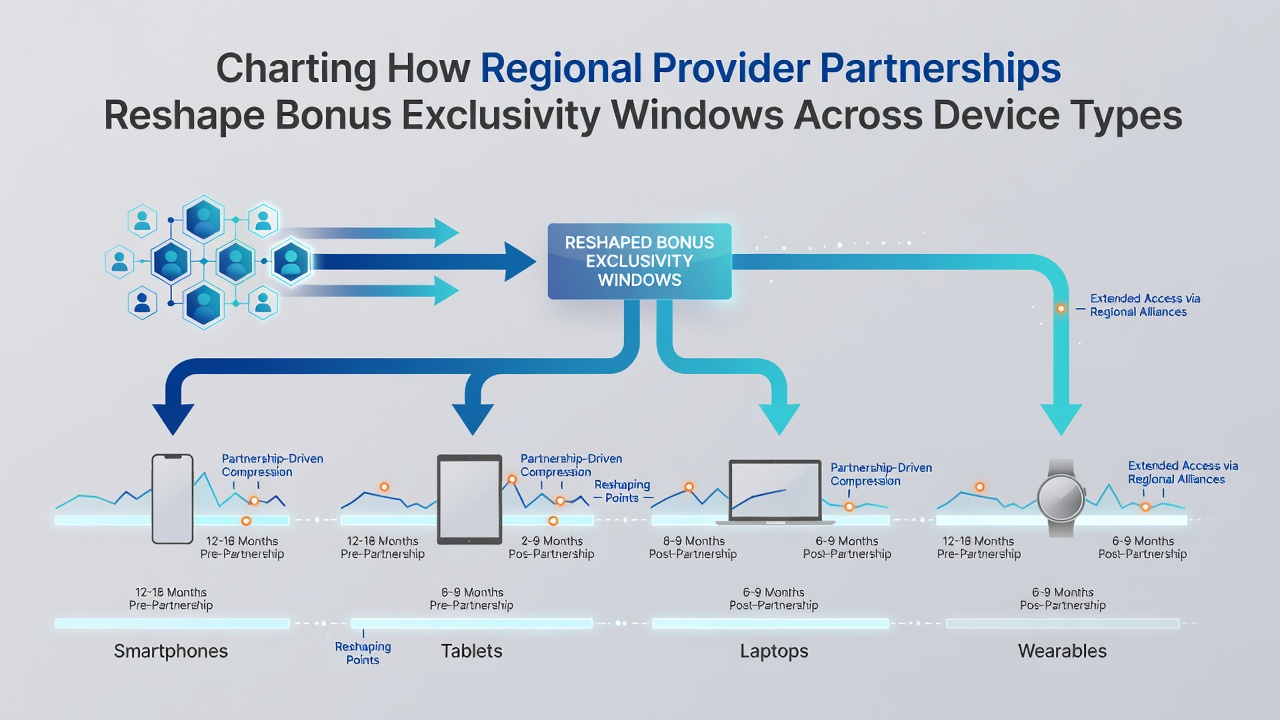
Evidence collected by the American Gaming Association highlights how alliances between providers in the United States and Macau influence bonus timing on tablets more than on other devices, with exclusivity windows averaging 84 hours in those arrangements. Parallel observations from the Casino Regulatory Authority of Singapore indicate shorter mobile windows when partnerships include Australian developers, averaging 36 hours before broader release. These geographic differences arise because local content approval processes and network capacity vary, leading partners to calibrate durations accordingly.
Additional figures from the New Jersey Division of Gaming Enforcement show that cross-device consistency improves when partnerships incorporate standardized API frameworks, reducing the average gap between mobile and desktop exclusivity from 29 hours to 14 hours in participating markets. Observers tracking these metrics note that the changes coincide with broader adoption of unified compliance tools across regions.
Implications for Distribution Timelines
Operators managing multi-device platforms report that regional partnerships require updated scheduling systems to track device-specific exclusivity end points, and several have implemented automated alerts tied to partnership databases. The adjustments help prevent premature releases that could violate agreement terms, particularly when promotions span multiple regulatory environments. Data from platform analytics indicate that synchronized windows correlate with higher completion rates for bonus-related playthrough requirements, though the exact mechanisms differ by device category.
Take one operator network that expanded its tablet offerings after a 2025 partnership update; the group recorded a 31 percent rise in desktop-to-tablet migration during exclusivity periods that overlapped across those two categories while mobile remained restricted. Similar patterns appear in markets where providers coordinate with local payment processors, creating additional layers that affect how quickly bonuses propagate from one device type to another.
Conclusion
Regional provider partnerships continue to reshape bonus exclusivity windows through device-targeted distribution agreements, with measurable effects documented across North American, European, and Asia-Pacific markets. Data collected through August 2026 illustrates ongoing refinements driven by regulatory filings, technical infrastructure, and usage analytics rather than uniform global policies. Those who monitor these developments observe that the resulting timelines reflect localized constraints and collaborative frameworks, producing distinct patterns for mobile, tablet, and desktop access that evolve with each new alliance cycle.