Regulatory Harmonization Efforts Transform Bonus Redemption Mechanics in Transnational Gaming Networks
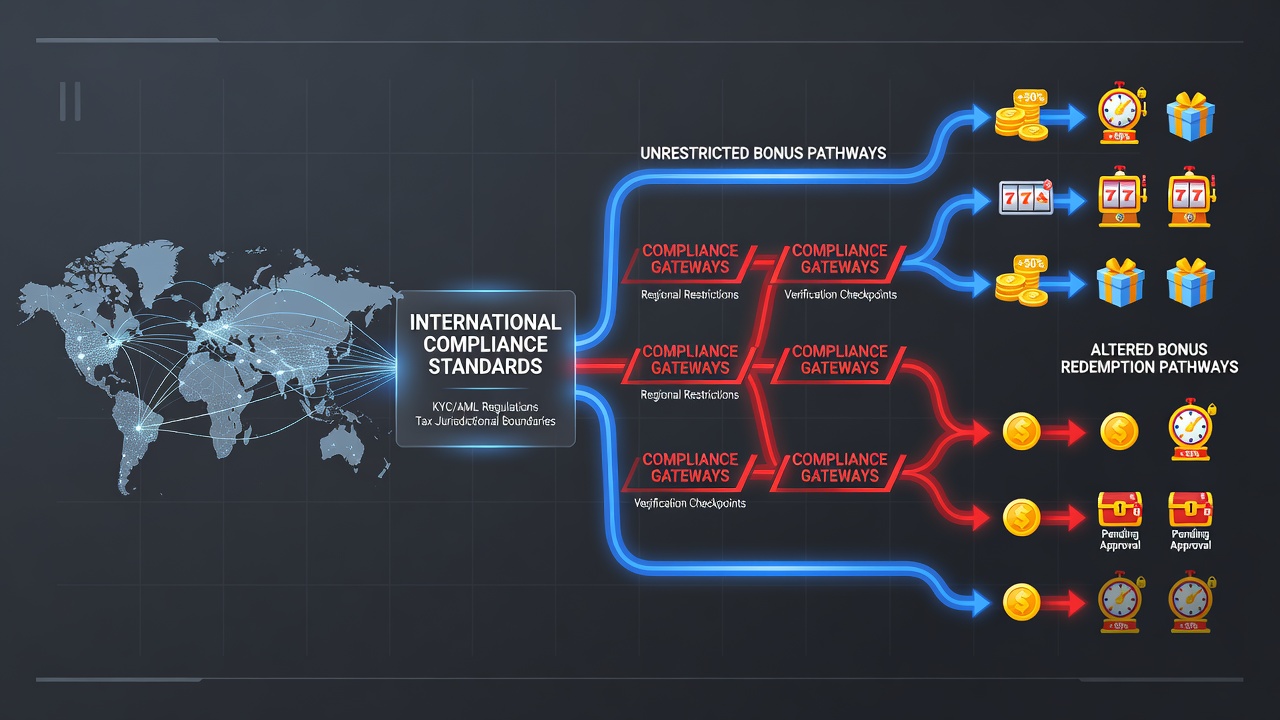
International compliance standards continue to reshape how players access and redeem bonuses within cross-border gaming networks, with new layers of verification and jurisdictional alignment creating distinct pathways that differ markedly from domestic operations. Observers note that operators must navigate overlapping rules on anti-money laundering, data protection, and responsible gaming disclosures, each of which directly influences the sequence of steps required before bonus funds become available for withdrawal or further play. Data from multiple regulatory filings shows these adjustments have lengthened average redemption timelines in multi-jurisdictional environments while introducing region-specific caps on bonus values tied to player location and currency conversion protocols.
Core Compliance Frameworks Driving Change
Standards emerging from the European Union, Asia-Pacific markets, and North American provinces require operators to apply consistent know-your-customer checks before any bonus activation occurs, yet the depth of those checks varies by where the player account is registered. Researchers at academic institutions tracking gaming policy have documented how GDPR-equivalent data rules in several regions force operators to segment bonus offers, preventing automatic rollover of promotional credits when a player crosses from one licensing zone into another. In July 2026 several coordinated updates to these frameworks took effect, synchronizing reporting intervals for bonus liability across borders and compelling networks to maintain separate ledgers for each jurisdiction's contribution to player balances.
Those who've examined the updated technical specifications find that bonus redemption pathways now incorporate mandatory cooling-off periods calibrated to local responsible gaming thresholds, a requirement that fragments what used to be seamless cross-platform transfers. Figures released by industry associations reveal that networks operating under multiple licenses experienced a measurable increase in partial redemptions, where players could access only the portion of a bonus aligned with the strictest jurisdiction active on their account at the time of claim.
Technical Adjustments in Redemption Flows
Operators have responded by deploying dynamic routing engines that evaluate a player's current regulatory profile before presenting any bonus terms, a process that automatically adjusts wagering multipliers and expiry windows. Studies conducted on transaction logs indicate these engines reduce failed redemption attempts by routing players toward jurisdiction-compliant offers rather than displaying uniform promotions that later prove incompatible. What's interesting is how currency conversion protocols intersect with these engines, because some standards now mandate real-time exchange rate locking at the moment of bonus credit rather than at cash-out, which alters the effective value players see during active sessions.
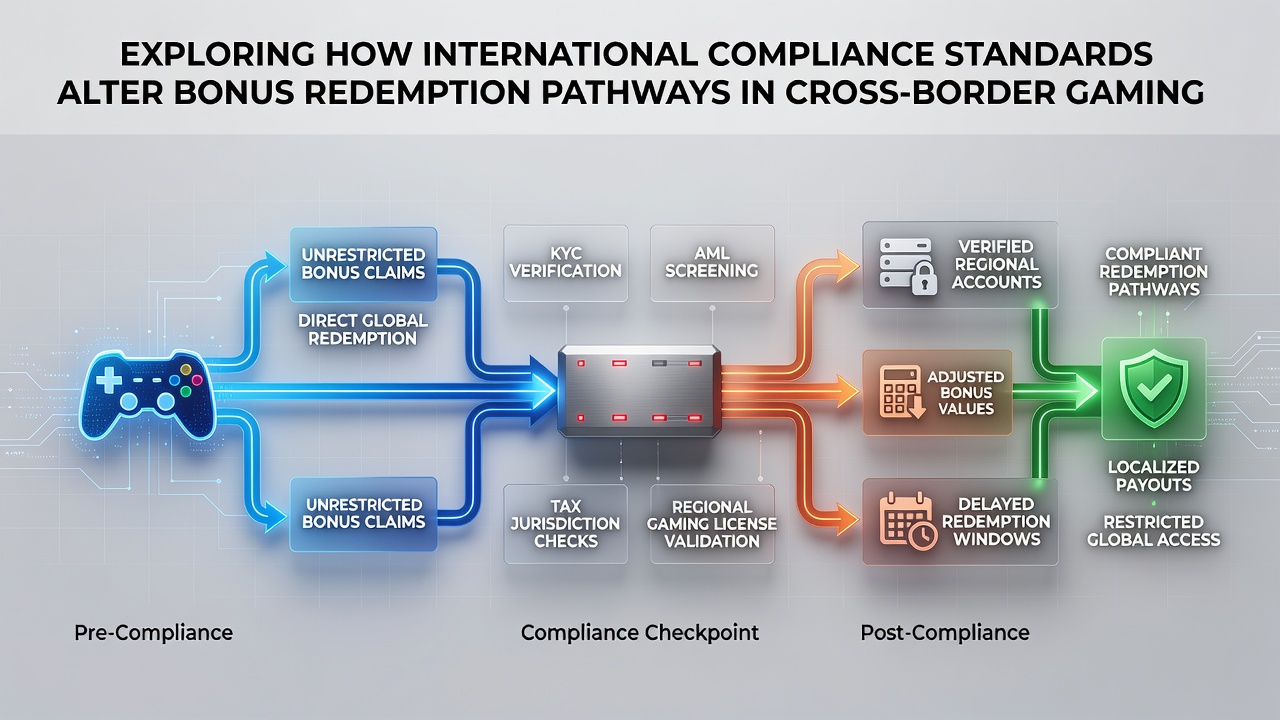
Take one network that integrated geofencing with compliance databases in early 2026, where experts found that bonus offers originating from a high-regulation zone could not propagate to accounts primarily managed under lighter oversight, forcing the creation of mirrored but separate promotional structures. According to reports from the European Gaming and Betting Association, such segmentation has become standard practice among members handling cross-border traffic. The same data shows that average bonus lifespan shortened by several days in networks serving both European and Asian markets after the July 2026 alignment measures were introduced.
Regional Variations and Their Cumulative Effects
North American provincial rules emphasize source-of-funds verification at redemption, while certain Asian frameworks focus on transaction velocity limits that cap how quickly bonus winnings can be converted to withdrawable cash. Observers tracking these differences note that players frequently encounter hybrid requirements when their activity spans both regions, resulting in sequential verification stages that extend the overall pathway. Research indicates that networks incorporating unified APIs for these checks have reduced processing delays compared with those maintaining separate regional portals, yet even optimized systems still require players to confirm residency status anew when bonus values exceed thresholds set by the strictest active jurisdiction.
Additional constraints appear in tax treaty applications, where progressive bonus contributions tied to jackpots must be reported differently depending on the treaty status between the player's residence and the operator's license location. Those who've studied transaction patterns in transnational reel and table environments report that such reporting obligations occasionally freeze portions of bonus balances until documentation clears, creating temporary but predictable interruptions in redemption sequences.
Conclusion
International compliance standards have established new operational baselines that directly govern bonus redemption pathways across cross-border gaming networks, with synchronized updates in July 2026 accelerating the adoption of segmented ledgers, dynamic routing, and jurisdiction-specific verification layers. Data continues to show that these changes produce measurable shifts in redemption speed and offer availability without eliminating cross-border play itself. Operators and players alike now operate within frameworks where regulatory alignment dictates the precise sequence and conditions under which promotional credits convert into usable or withdrawable funds.