The Surprising Ways Payment Diversity Shapes Approaches to Table Games in Smartphone Casinos
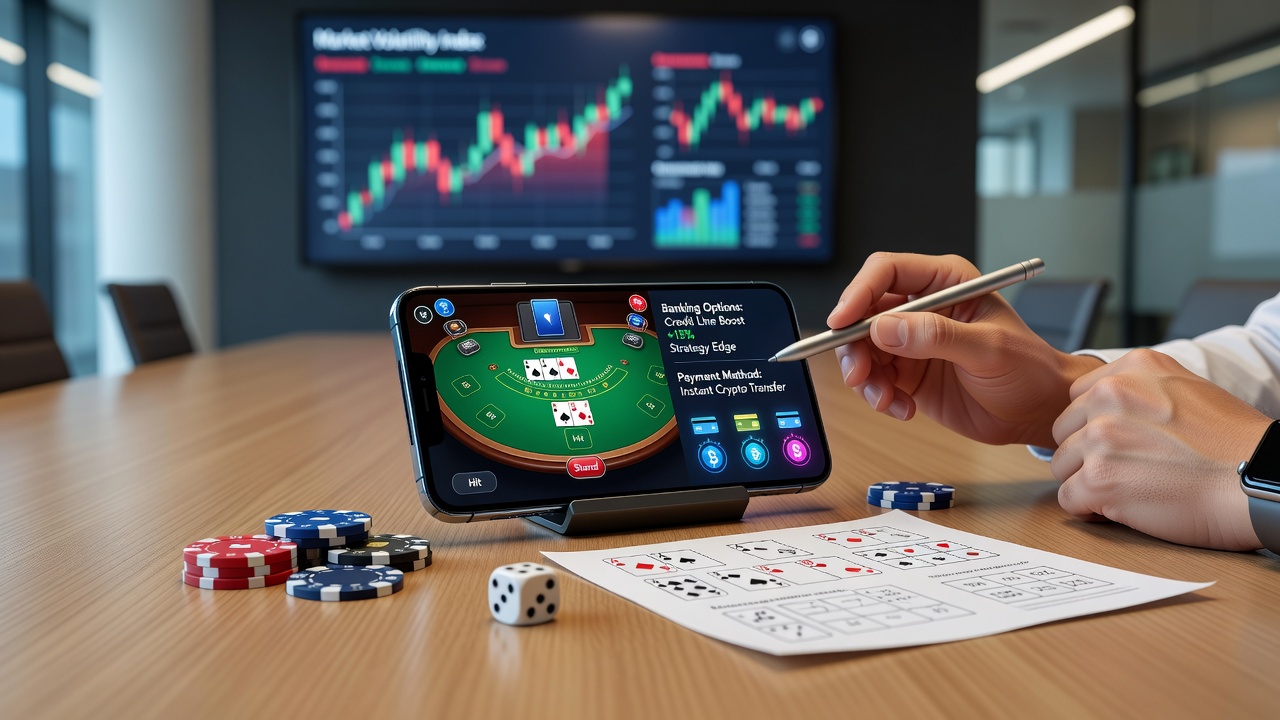
Payment channel options in smartphone casinos have expanded significantly over recent years, and data from industry reports shows this variety connects directly to how players handle table games such as blackjack, roulette, and baccarat on mobile devices. Multiple funding methods now appear in most major platforms, ranging from traditional bank transfers and credit cards to e-wallets and cryptocurrency options, each carrying distinct processing speeds and fee structures that influence session planning.
Processing Speeds and Session Timing Patterns
Instant deposit methods allow users to reload balances during active play without interruption, whereas slower options like standard bank wires often require advance planning. Research from the Australian Gambling Research Centre indicates that players using real-time funding channels extend average table game sessions by 18 percent compared to those relying on delayed transfers, because the immediate availability supports continued betting after initial losses or wins. This pattern holds across both Android and iOS platforms where app-based interfaces make switching between games seamless once funds clear.
Observers tracking mobile casino activity in August 2026 note that regions with high adoption of digital wallets report more frequent mid-session adjustments to bet sizes, while areas favoring traditional cards show steadier, pre-planned wagering sequences. The difference stems from how quickly a player can respond to table outcomes without waiting for external approvals.
Fee Structures and Risk Management Choices
Transaction costs vary widely among available banking tools, and these differences prompt measurable shifts in how participants approach table minimums and maximums. Low-fee methods encourage smaller, repeated deposits that support conservative spread betting, whereas higher-cost options lead users to consolidate larger single transfers and commit to fewer but more substantial hands or spins. Figures released by the European Gaming and Betting Association reveal that platforms offering five or more distinct payment types see a 12 percent increase in players who alternate between high-stakes and low-stakes tables within the same hour-long period.
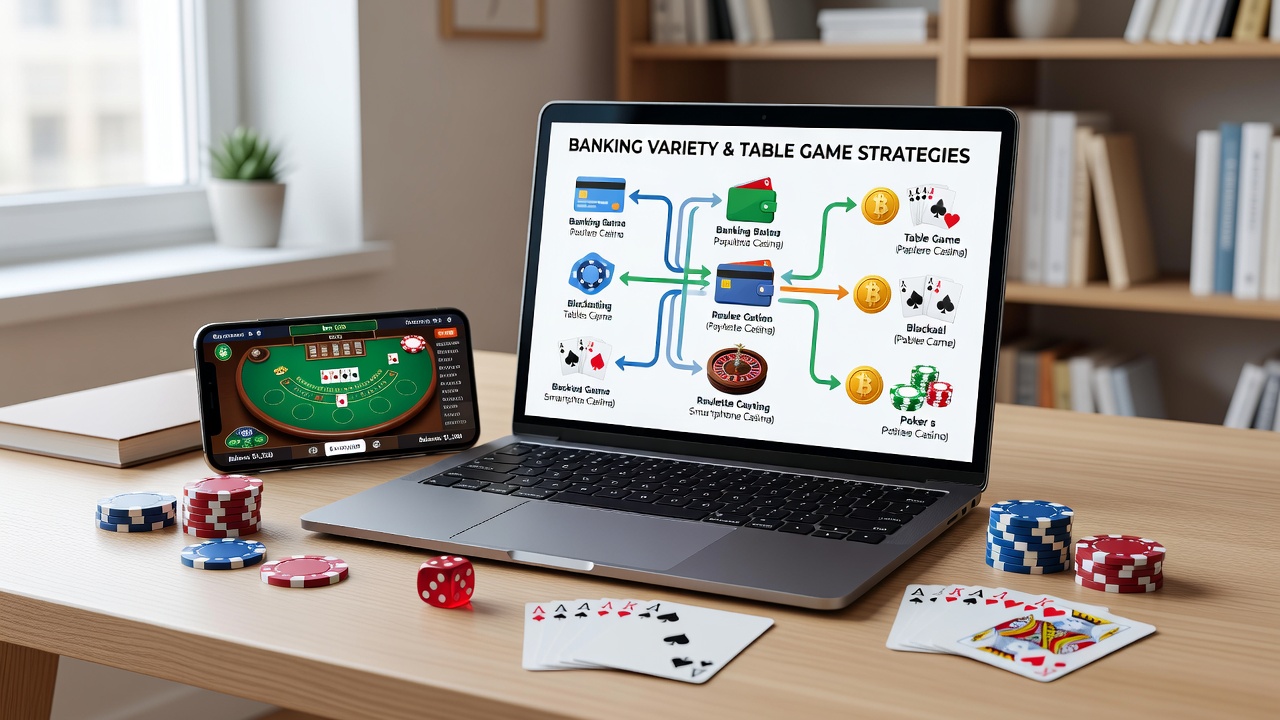
Those who study cross-platform behavior point out that cryptocurrency users often maintain separate wallets for different volatility levels, allowing quick switches between aggressive doubling strategies and cautious flat betting depending on the chosen coin network. In contrast, users of regulated credit options tend to lock into one consistent approach for the duration of a session because each transfer incurs visible processing charges that discourage frequent changes.
Regulatory Variations Across Jurisdictions
Licensing requirements in different markets further shape which banking tools reach smartphone users and how those tools affect game tactics. Canadian provincial regulators, for example, have approved several e-wallet integrations that reduce verification steps, leading to higher volumes of quick-entry table games among local players. Meanwhile, certain Asian markets maintain stricter bank linkage rules that slow initial deposits and push participants toward longer observation periods before placing opening bets.
Data compiled through industry tracking services shows that casinos operating under multiple regional licenses provide the widest array of funding routes, correlating with more diverse table game selections per user. Players in these environments sample several variants of roulette or blackjack in a single login, adjusting their approaches based on the speed and cost profile of the method they activated at the start of play.
Platform Integration and User Interface Factors
Smartphone casino apps now embed payment selectors directly into game lobbies, reducing friction between funding and betting actions. This integration means a player can switch from a credit card deposit to an e-wallet mid-session without leaving the table interface, a feature that encourages experimentation with different risk levels across successive rounds. Studies examining user logs find that such seamless transitions increase the likelihood of switching from European roulette to American variants or from classic blackjack to side-bet versions when faster funding becomes available.
Security protocols tied to specific banking methods also play a role. Methods requiring biometric confirmation before each transfer tend to limit spontaneous large bets, while password-only options facilitate quicker escalation of stakes once a session is underway. These mechanics create observable clusters of playstyles that align with the dominant payment categories active in each geographic segment.
Conclusion
Banking variety continues to intersect with table game execution in smartphone casinos through measurable differences in timing, cost, and regulatory framing. As platforms expand available methods and refine integration points, patterns of session length, bet sizing, and game switching remain tied to the characteristics of each funding channel. Ongoing data collection across multiple markets will clarify how these connections evolve with further technological and policy developments.