Tracing Loyalty Tier Progressions and Their Effects on Exclusive Slot Access in Cross-Platform Environments
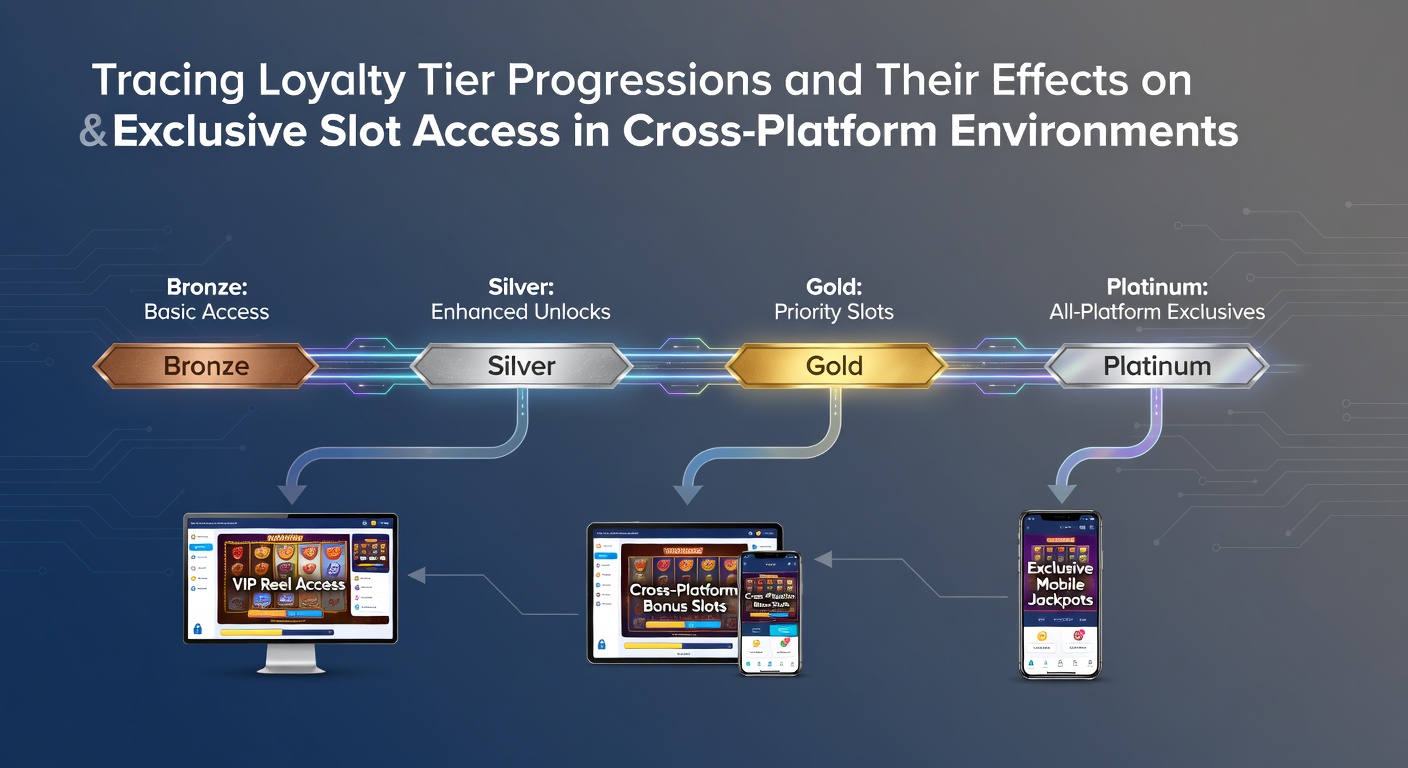
Operators track loyalty tier progressions through integrated systems that monitor player activity across mobile apps, desktop sites, and tablet interfaces, with points accumulating based on wager volume and frequency rather than isolated sessions. These systems update in real time, allowing users to advance from entry-level bronze or silver ranks to gold, platinum, and diamond status as cumulative data reaches predefined thresholds set by each platform's backend algorithms.
How Tier Advancement Works in Practice
Players earn loyalty points through consistent engagement with slot titles and table games, while the progression mechanics often combine deposit amounts with play duration to determine eligibility for higher brackets. Data shows that many platforms calculate advancement monthly or quarterly, resetting lower thresholds but preserving overall status benefits once achieved, and this structure encourages cross-device participation because points sync automatically when accounts link via unified player IDs.
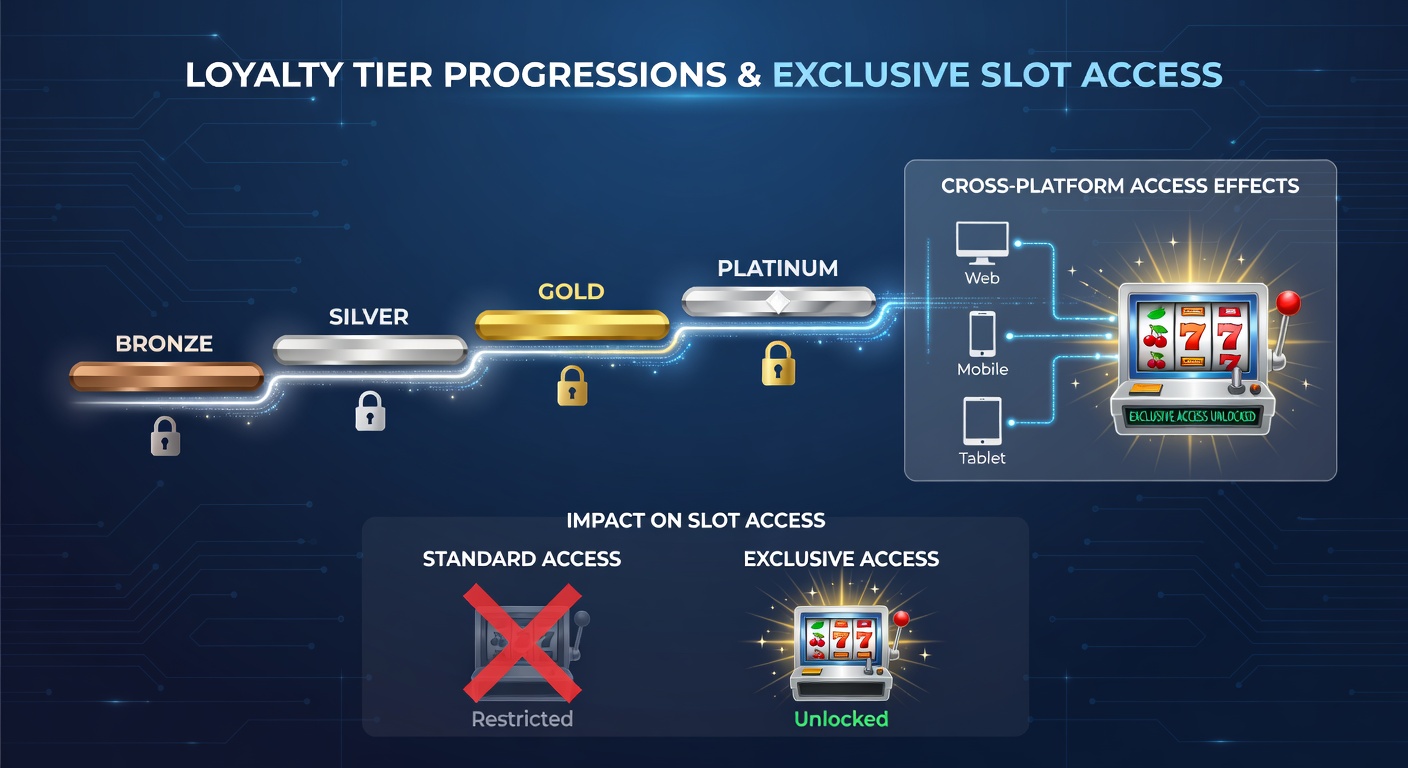
Exclusive slot access emerges as a primary reward at mid-to-upper tiers, granting entry to specialized game libraries that feature higher volatility options or unique mechanics unavailable to base-level accounts. Observers note that these restricted titles frequently include progressive jackpot variants or branded content partnerships, where tier status directly influences the probability of unlocking bonus rounds or multiplier features during gameplay.
Cross-Platform Synchronization Challenges and Solutions
Cross-platform environments require seamless data transfer between operating systems, yet synchronization issues arise when mobile sessions fail to register properly on desktop dashboards due to latency in cloud-based servers. Industry reports from sources like the New Jersey Division of Gaming Enforcement indicate that regulatory frameworks in 2026 emphasize standardized API protocols to minimize these gaps, particularly after platform expansions in May of that year introduced enhanced multi-device tracking mandates.
Those who study these systems find that higher-tier members experience fewer disruptions because operators prioritize dedicated server allocation for premium accounts, ensuring that exclusive slot sessions remain uninterrupted whether initiated on a smartphone during commute hours or continued on a home computer. This prioritization stems from backend configurations that flag tier status at login and route traffic accordingly without additional player input.
Effects on Player Behavior and Access Patterns
Research from academic groups such as the UNLV International Gaming Institute reveals that tiered access influences session lengths, with platinum and diamond users extending playtimes by 35 to 50 percent on exclusive titles compared to standard catalogs. These patterns hold across devices because the reward structures remain consistent regardless of entry point, allowing participants to switch platforms mid-session while retaining accumulated benefits like reserved game queues or personalized reel configurations.
Yet platform operators must balance exclusivity with accessibility rules, as certain jurisdictions require minimum availability thresholds for all account levels to prevent market segmentation violations. Figures from Canadian provincial oversight bodies demonstrate that compliance audits in early 2026 focused on verifying whether exclusive slots maintain equivalent payout reporting standards when accessed via mobile versus desktop interfaces.
Regulatory Context in Mid-2026 Developments
May 2026 marked several updates in multi-jurisdictional frameworks where authorities aligned on data privacy standards for loyalty tracking, requiring explicit consent for cross-device profiling before tier benefits activate. These adjustments affected how operators display progression meters within apps and browsers, often embedding visual indicators that update instantly upon qualifying wagers without requiring manual refreshes.
Exclusive slot libraries at higher tiers now incorporate region-specific content filters to match local licensing, meaning a diamond-level user in one market might see different titles than counterparts elsewhere despite identical status levels. This geographic layering adds complexity to progression tracking but maintains fairness through centralized verification that logs all activity under a single player profile.
Technical Integration Across Devices
Backend architectures rely on token-based authentication to preserve tier status during platform switches, eliminating the need for repeated logins while preserving security protocols. Those who analyze usage logs report that mobile-to-desktop transitions occur most frequently among gold-tier and above players, correlating with higher average bet sizes that justify the infrastructure investments required for fluid access.
Slot providers integrate these systems by embedding tier-check calls into game servers, which then gate content delivery accordingly. This prevents lower-tier accounts from bypassing restrictions through device hopping, since the central database enforces rules uniformly across all connected environments.
Conclusion
Loyalty tier progressions continue to shape exclusive slot availability by linking status levels directly to content permissions that function consistently across mobile, desktop, and tablet platforms. Data collected through these integrated systems provides operators with detailed insights into engagement trends while regulatory developments in 2026 reinforce the need for transparent tracking mechanisms. Players advancing through tiers gain structured pathways to specialized game libraries, with synchronization protocols ensuring that benefits persist regardless of device choice or session timing.