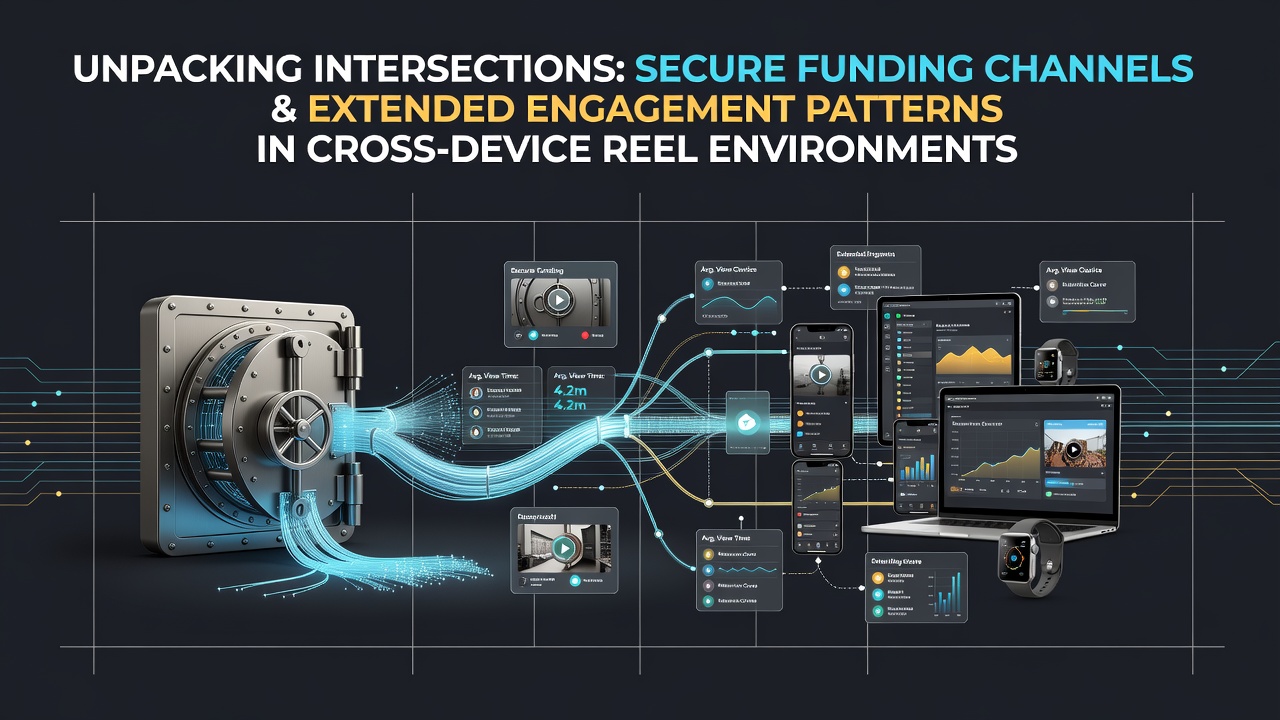
Unpacking Intersections Between Secure Funding Channels and Extended Engagement Patterns in Cross-Device Reel Environments
Secure funding channels in digital reel environments connect directly to how users maintain longer sessions across smartphones, tablets, and desktop platforms, according to industry data collected through 2025 and into June 2026. Payment verification systems that incorporate multi-factor authentication and encrypted transaction layers allow continuous play without repeated interruptions for security checks or account revalidation, which researchers have tracked in multiple platform studies.
Those who've examined user behavior logs note that platforms employing tokenized payment methods report average session lengths extending by measurable margins when compared to environments relying on basic card entry each time. Data indicates these patterns hold steady whether users switch between devices mid-session or maintain activity on a single screen for extended periods, since the underlying security infrastructure remains consistent once initial authorization completes.
Funding Security Mechanisms and Session Continuity
Encryption standards applied to deposit pathways reduce friction points that typically break engagement flow in reel-based applications. When funding channels integrate with device-level biometric verification, users complete transactions in fewer steps, which keeps momentum intact across platform transitions. Figures from payment processor reports released in early 2026 show that environments supporting these integrated layers experience fewer abandoned sessions during device handoffs.
Observers tracking cross-device patterns find that secure wallet integrations, particularly those using hardware-backed keys, correlate with higher repeat deposit frequencies within single play periods. This occurs because the authentication process does not require users to re-enter sensitive details when moving from mobile data connections to Wi-Fi networks or between operating systems. Research indicates such continuity supports extended reel engagement without the pauses associated with manual re-authentication.
Cross-Device Patterns in Reel Engagement
Engagement metrics collected across operating systems reveal that users who establish secure funding profiles early in their activity tend to sustain longer cumulative play times when accessing the same reel titles on multiple devices. The synchronization of account states through cloud-based ledgers allows transaction history to follow users seamlessly, eliminating the need to restart verification processes on each new screen.
Studies conducted by academic teams at institutions focused on digital interaction design have mapped these correlations through anonymized usage data. Their findings highlight how reduced authentication overhead in funding channels aligns with increased time spent navigating reel interfaces, especially in environments where progressive elements or bonus rounds encourage continued participation.

Intersections Documented in Recent Analyses
Reports compiled through June 2026 demonstrate measurable intersections between the robustness of funding security and the duration of cross-device reel sessions. Platforms that adopted enhanced verification protocols in late 2025 recorded shifts in user retention patterns, with data showing sustained activity spanning multiple devices within the same 24-hour window. These shifts appear tied to the stability of payment authorization rather than to specific game mechanics alone.
What's interesting is how regulatory updates in various jurisdictions have influenced these intersections. For instance, guidelines issued by the International Association of Gaming Regulators emphasize secure transaction frameworks, which several operators implemented ahead of June 2026 deadlines. Concurrent analyses from Canadian research groups tracking digital entertainment usage show parallel trends where stronger funding protections align with extended session metrics across device types.
Additional evidence comes from industry consortium reports that aggregate anonymized transaction logs. These documents detail how users leveraging multi-device compatible secure channels maintain higher interaction rates with reel features that require repeated inputs over time, such as accumulating reel spins or managing in-session balances.
Device Transition Dynamics
Transitions between devices introduce potential disruptions in reel environments, yet secure funding channels mitigate many of these breaks. When payment profiles sync automatically through encrypted channels, users resume activity without re-confirming financial details, which preserves the flow established on the original device. Platform telemetry collected during 2025 and 2026 indicates that such seamless transitions correspond to longer total engagement windows.
Those monitoring user navigation patterns observe that environments supporting unified secure funding across iOS, Android, and desktop browsers record fewer instances of session termination during device switches. This holds particularly when funding methods incorporate real-time fraud detection that operates transparently in the background rather than prompting user intervention.
Conclusion
The documented connections between secure funding channels and extended engagement patterns in cross-device reel environments rest on measurable transaction and session data gathered through mid-2026. As platforms continue refining verification processes to maintain security while minimizing interruptions, the observed intersections provide clear indicators for how payment infrastructure shapes user behavior across devices. Continued collection of these metrics will clarify further relationships between funding stability and sustained reel activity in evolving digital spaces.